A Basque Borderlands Travelogue
Sixteen intrepid guests and two guides traversed the mountainous and coastal landscapes of the Basque Country during the first two weeks of September, embarking on an unforgettable journey that commemorated the 250th anniversary of the Anza Trail and explored the often-overlooked Basque heritage of the Arizona-Sonora borderlands.
Many of our companions were veterans of previous Borderlandia trips to Mexico and Arizona, and had already become old friends. Our new guests quickly found their place in the group, and over the course of eleven days, we became a close-knit traveling party.
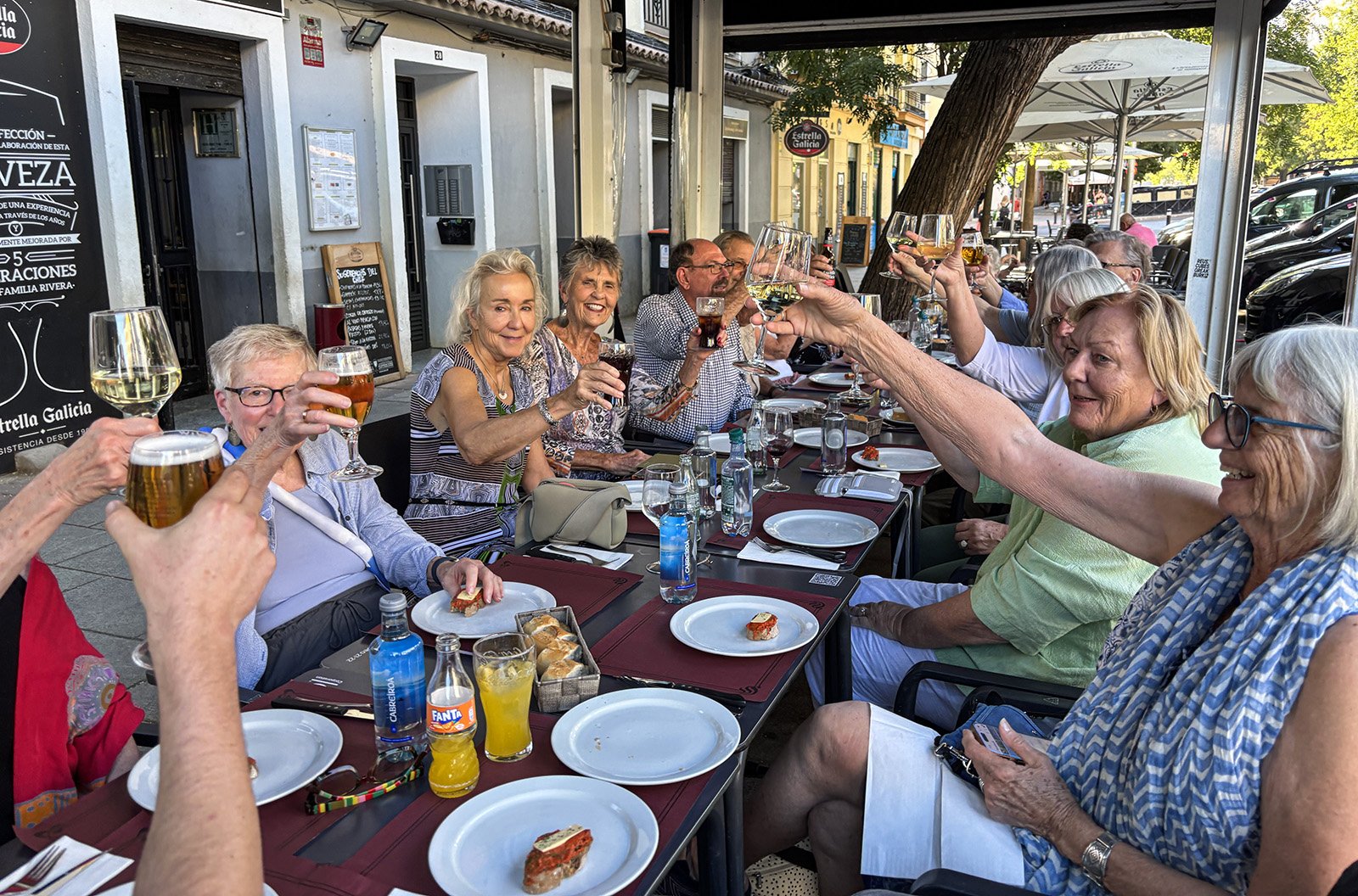
We kicked things off with introductions in the hotel lobby before making our way to a neighborhood tapas restaurant just a block away for a welcome dinner. We dined al fresco on the street-side terrace, sampling a variety of dishes that whetted our appetites for the culinary adventures awaiting us in the Basque Country.
I particularly remember the delicious, olive oil-blistered green peppers known as pimientos de Padrón and an incredible appetizer of sobrasada, a spreadable, spiced sausage from Spain's Balearic Islands, served with proper crusty bread. With the ice broken and our appetites primed, we called it a night, rested up, and prepared to head north toward our first destination: Bilbao.
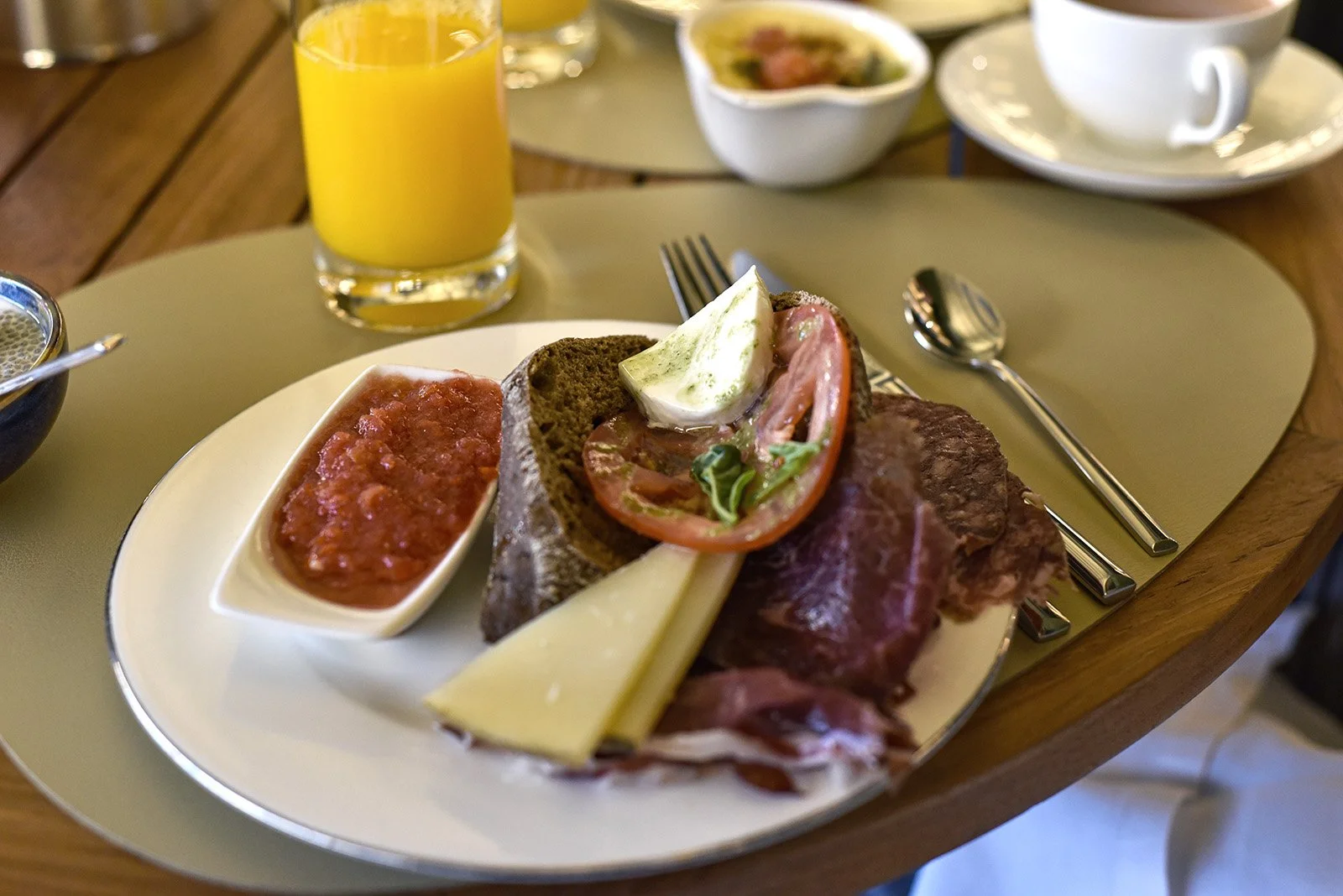
The following morning, we fortified ourselves with a delicious European-style breakfast: extraordinary Spanish ham on bread with olive oil and crushed tomato, accompanied by freshly squeezed orange juice. We then met our wonderful driver, Abel, who quickly became a friend and trusted source of local knowledge and logistical advice. With our luggage loaded into the minibus, we were off.
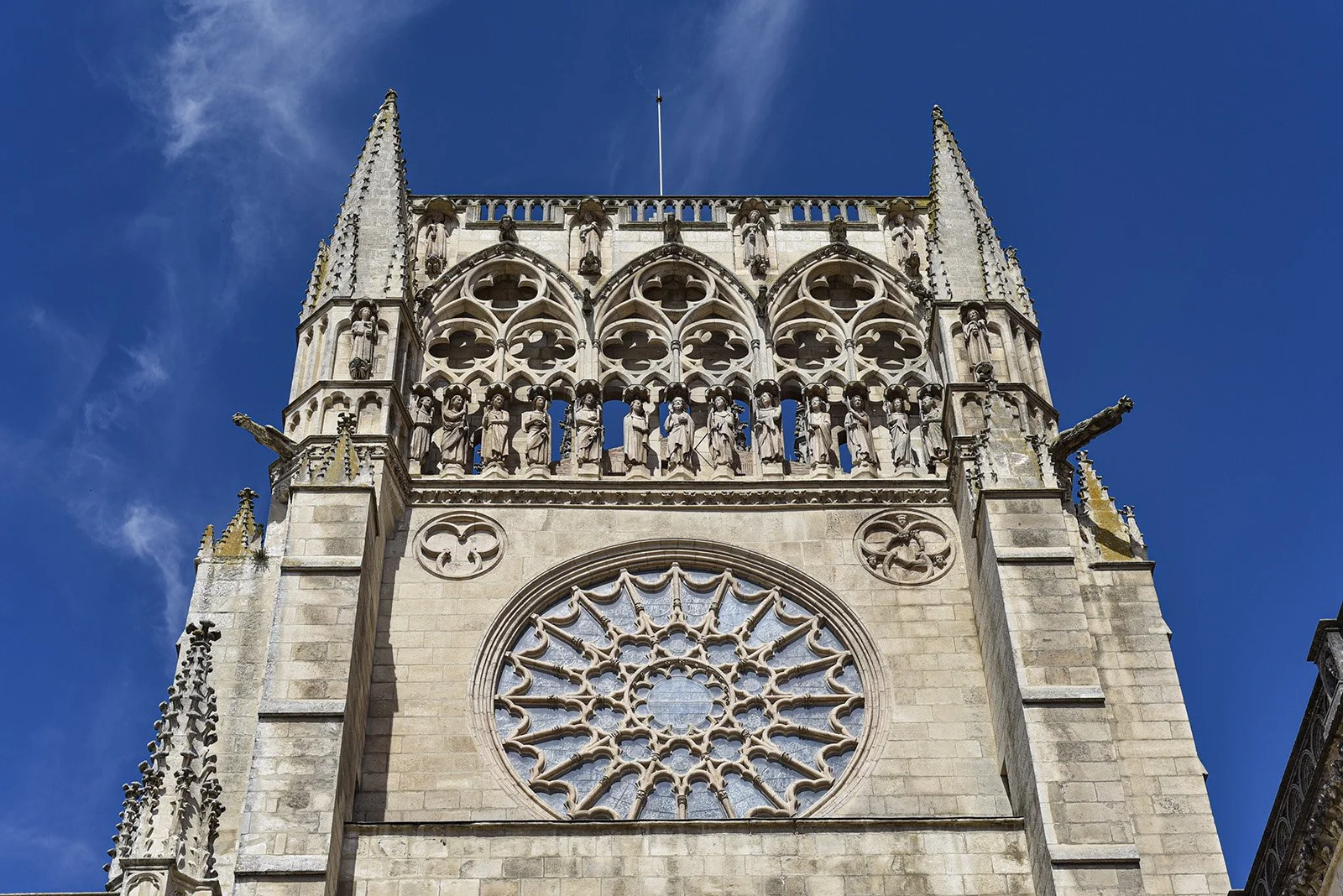
Departing Madrid, we crossed the high Castilian plains toward Burgos, the historic capital of Castile. There, we visited the impressive UNESCO World Heritage Site of Burgos Cathedral. After taking in one of Western Europe's most important religious edifices and paying our respects at the tomb of El Cid, we strolled down the city's main pedestrian avenue in search of our first midday comida in Spain.
The menú del día concept developed during Franco's Spain, offering diners a fresh, varied restaurant meal at a reasonable price. Typically, guests choose from several options for both a first and second course, with bread, wine, water, and dessert included.
We travel to eat on all our excursions, and this first encounter with Spanish cuisine beyond our welcome tapas dinner established an exceptionally high bar for the meals that followed. In fact, the food would become one of the defining features of the entire journey.
The contrast between the terracotta hues of Castile's high plains and the Atlantic-kissed green mountains of the Basque Country's Cantabrian range could not have been more striking. It marked our transition into a distinctive cultural world, one with an identity and history quite separate from the conventional notions of either Spain or France.
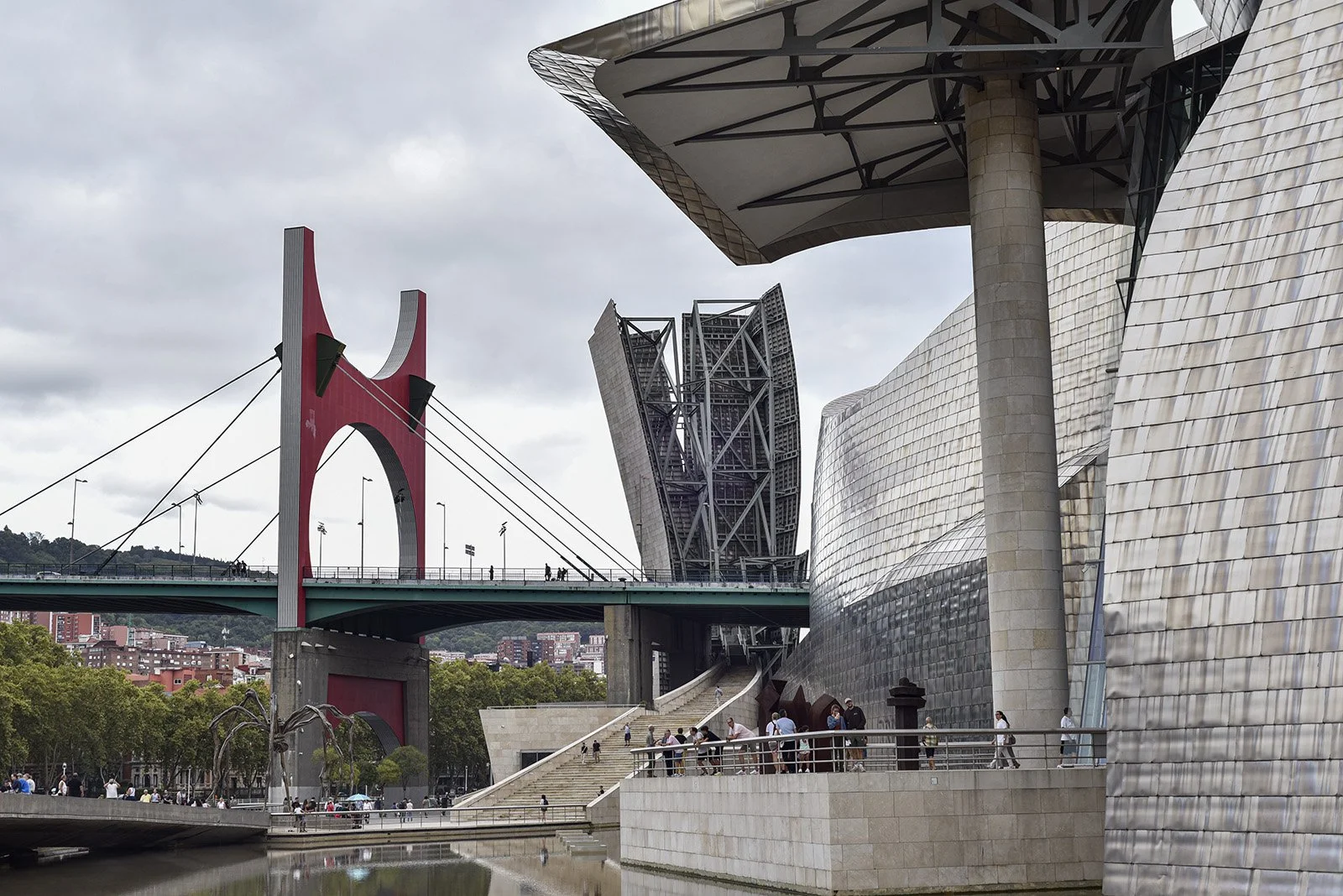
Arriving in Bilbao was a delight for the eyes. Our first glimpse of the city's dazzling architectural icon, the Guggenheim Museum, alongside the neighboring bridge spanning the Nervión River, made for an impressive introduction.
We checked into the nearby Hotel The Artist, where breakfast offered views overlooking the museum and its famous flower-covered Puppy sculpture. But first, we wanted to get acquainted with the city's history. We headed into the old town, where we met Gonzalo, our local guide. With his wonderful sense of humor and warm personality, he quickly became a friend, bringing Bilbao's culture and history to life as we explored its streets.
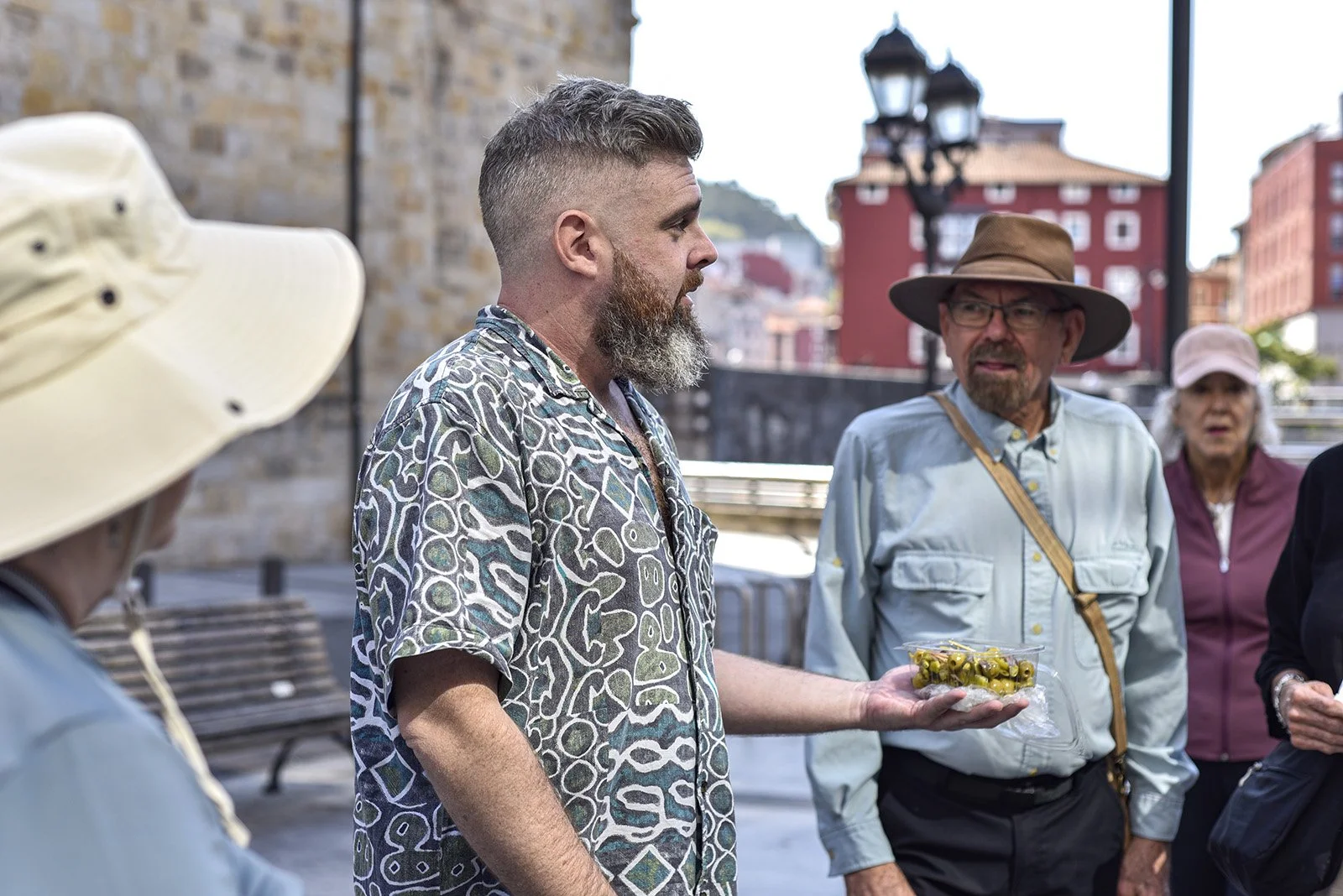
Gonzalo introduced us to our first pintxo, the Basque version of a tapa: the famous Gilda. This deceptively simple skewer combines pickled guindilla pepper, anchovy, and olive in an extraordinary contrast of flavors. It was the perfect way to awaken our appetites before lunch.
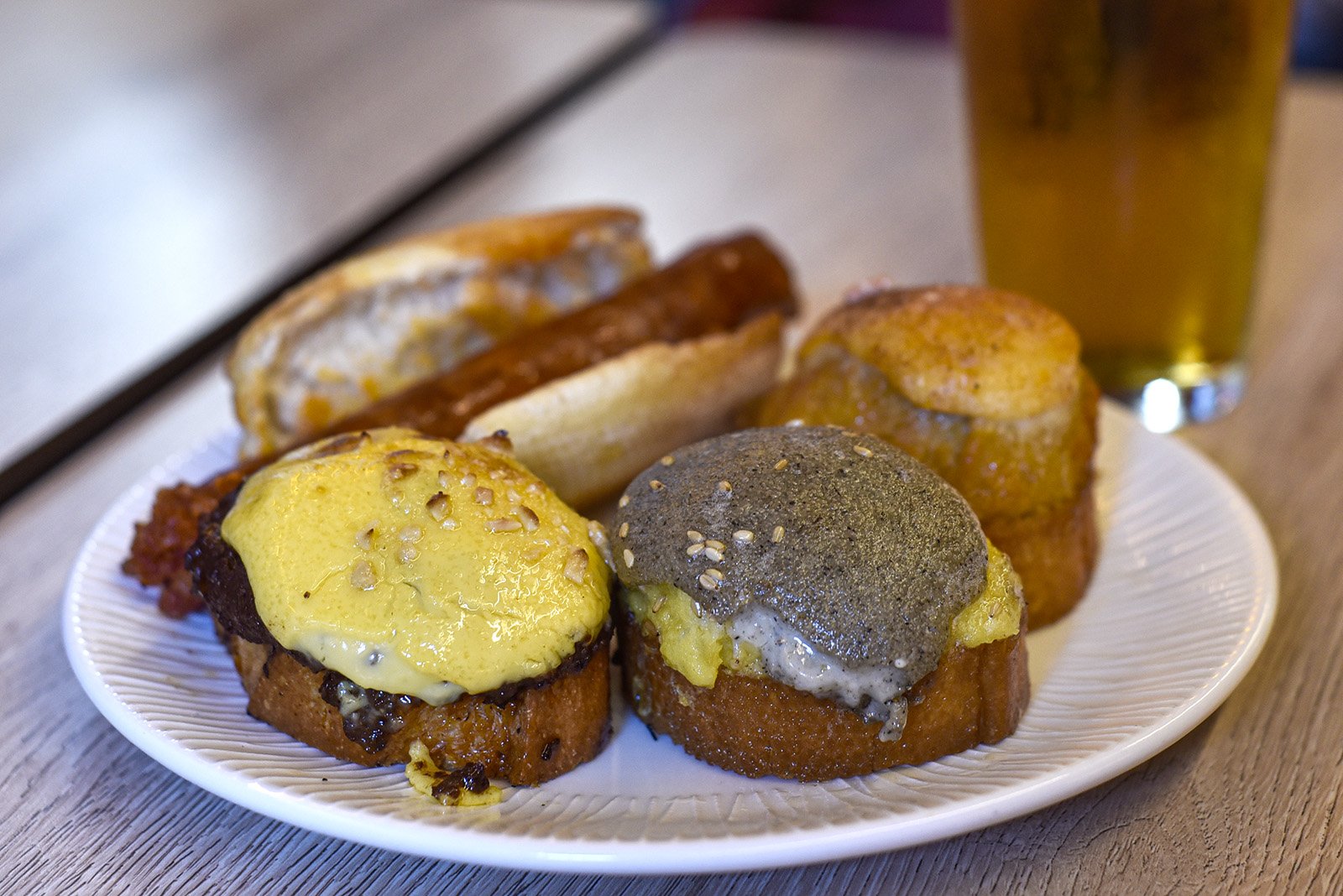
Our subsequent pintxo adventures during free evenings in Bilbao included spider-crab gratin toasts, blood sausage with cheddar, and miniature hot dogs featuring chistorra, a delicious Basque sausage. At lunch, the restaurant's generous owner, who we learned had once lived in Florida, surprised us with a complimentary appetizer of fried white anchovies. By this point, the running joke was that every Borderlandia excursion was really a gastronomy tour!
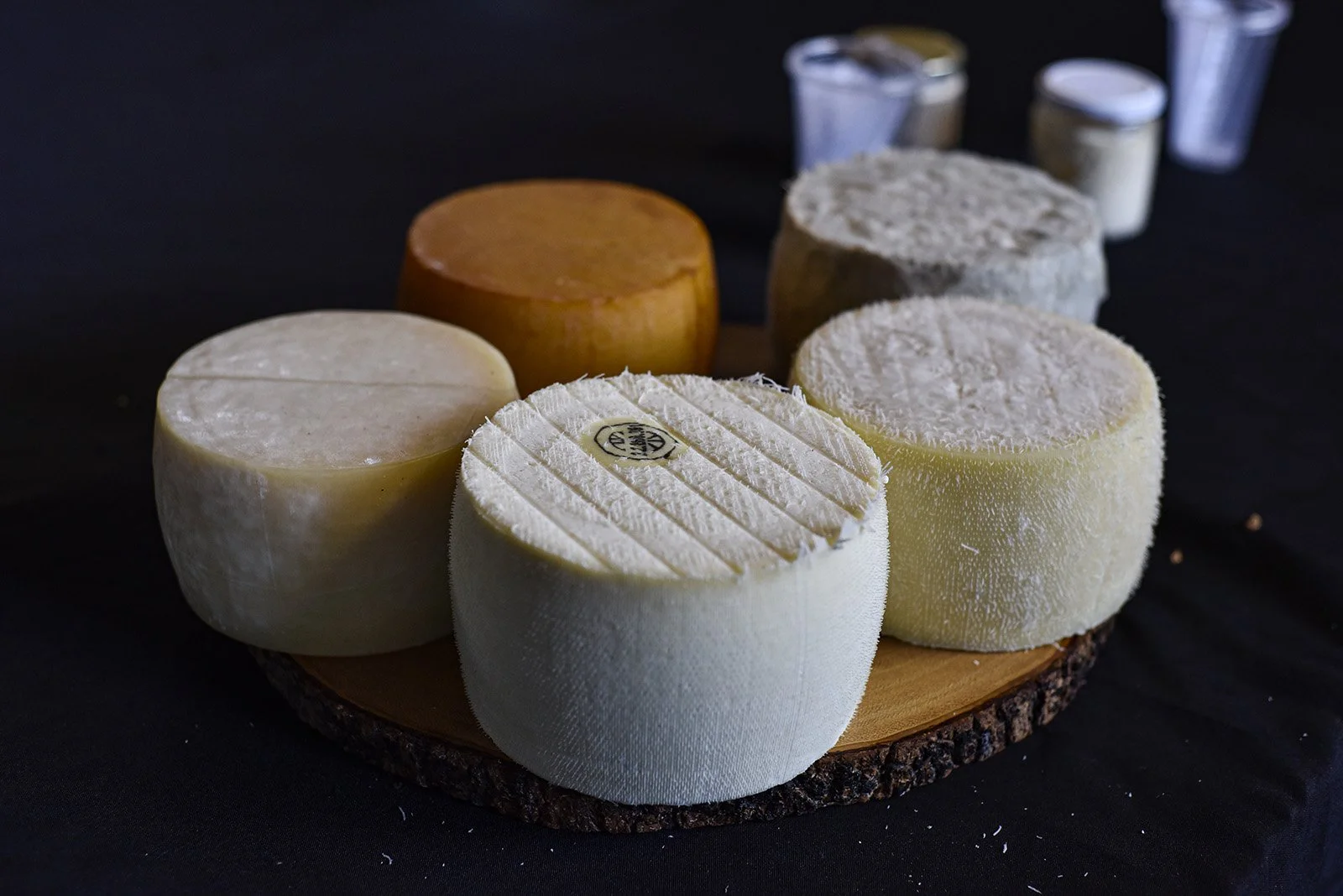
The following day, we left the city behind and ventured into the interior countryside for what would become one of our most memorable experiences: learning how to make the Basque Country's most famous cheese, Idiazabal, in the town that shares its name with this beloved sheep's-milk delicacy.
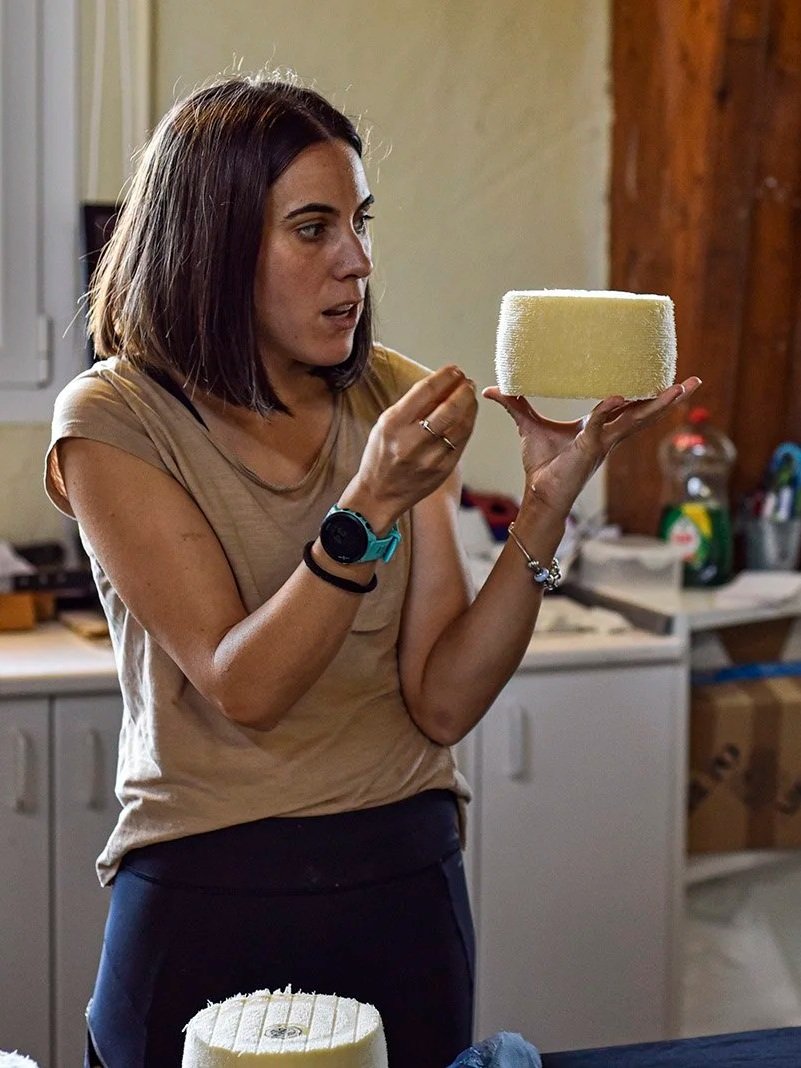
There we met Olatz, a larger-than-life personality in a petite frame who ran the entire cheese-making operation with just two other employees while her parents tended their sheep in the surrounding hills.
We learned about every stage of the Idiazabal cheese-making process and even had the opportunity to meet the sheep themselves. The visit culminated in a tasting, accompanied by refreshing Basque white wine, txakoli. We sampled several variations of the cheese, including the traditional smoked version, and discovered firsthand why Idiazabal is such an important part of Basque culinary identity.
From there, we continued to Oñati, the ancestral home of the Oñate family, including Cristóbal de Oñate, founder of Zacatecas, and his son Juan de Oñate, who would go on to establish the Spanish colony of New Mexico in 1598.
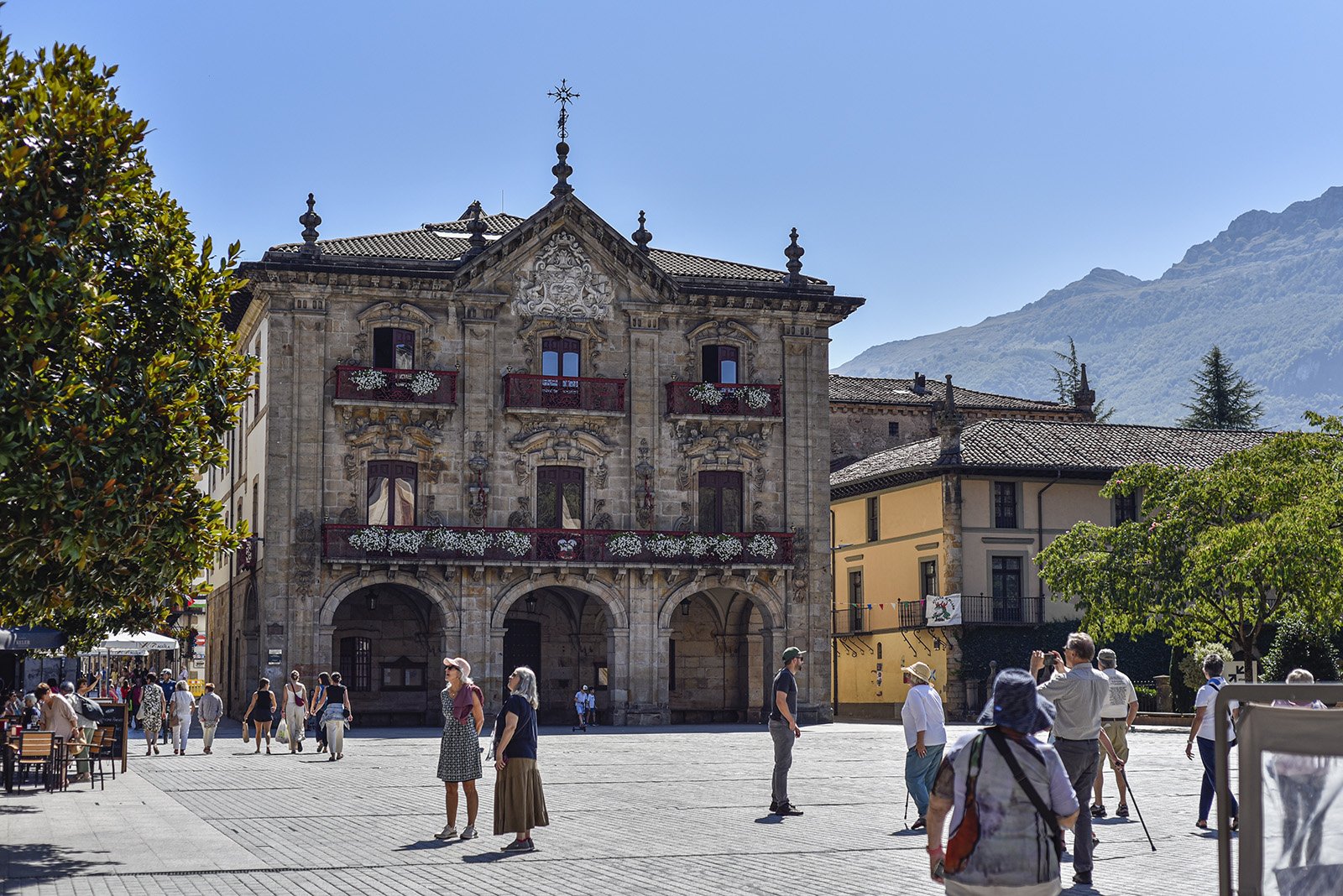
We enjoyed lunch in a historic medieval castle tower converted into a restaurant, overlooking the community that gave rise to a family whose descendants would profoundly shape the history of northern Mexico and neighboring New Mexico. As we walked along the town's main promenade afterward, residents were delighted to stop and ask about our group, welcome us, and find out where we had come from. It was a wonderful reminder of the enduring connections between these seemingly distant corners of the world.
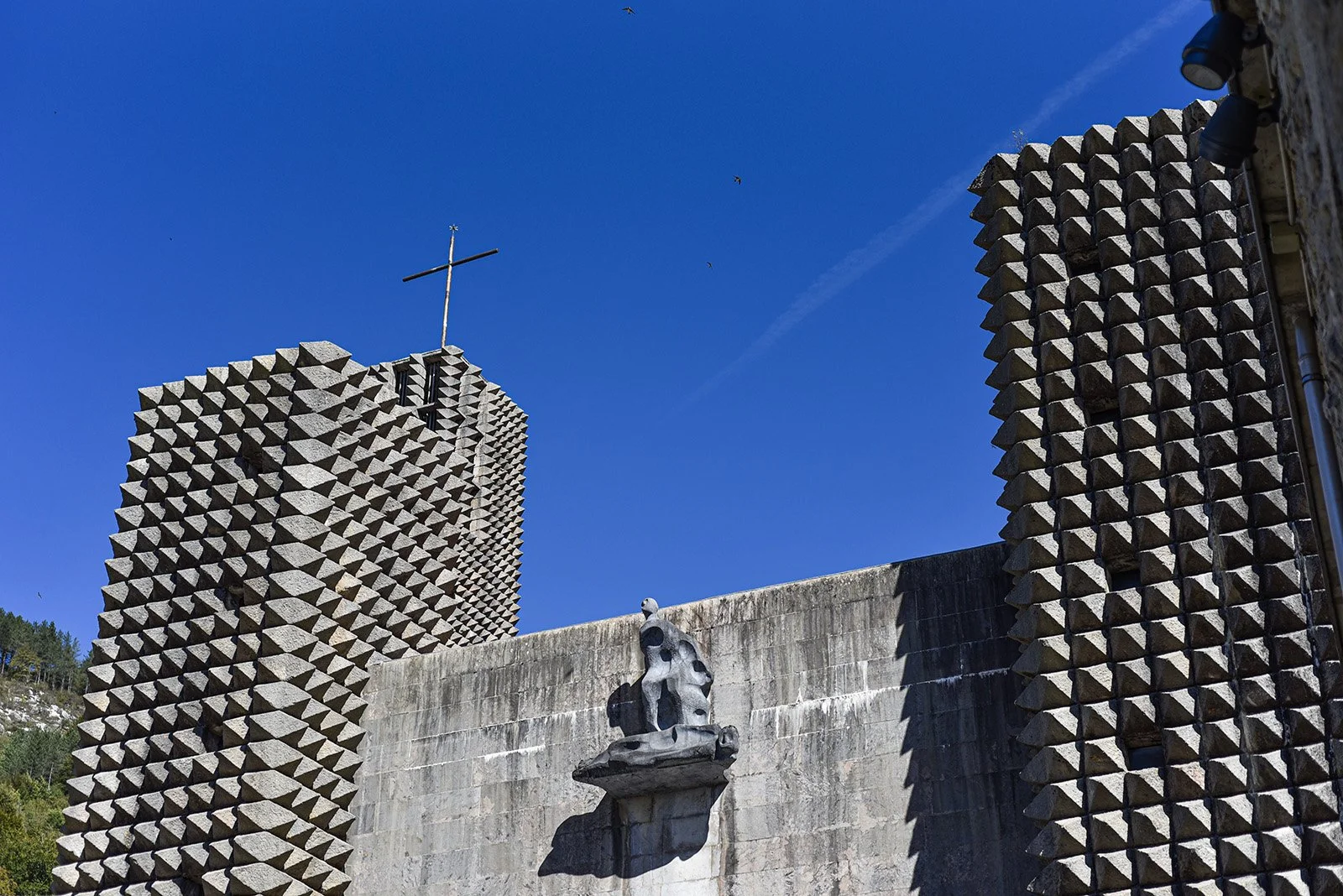
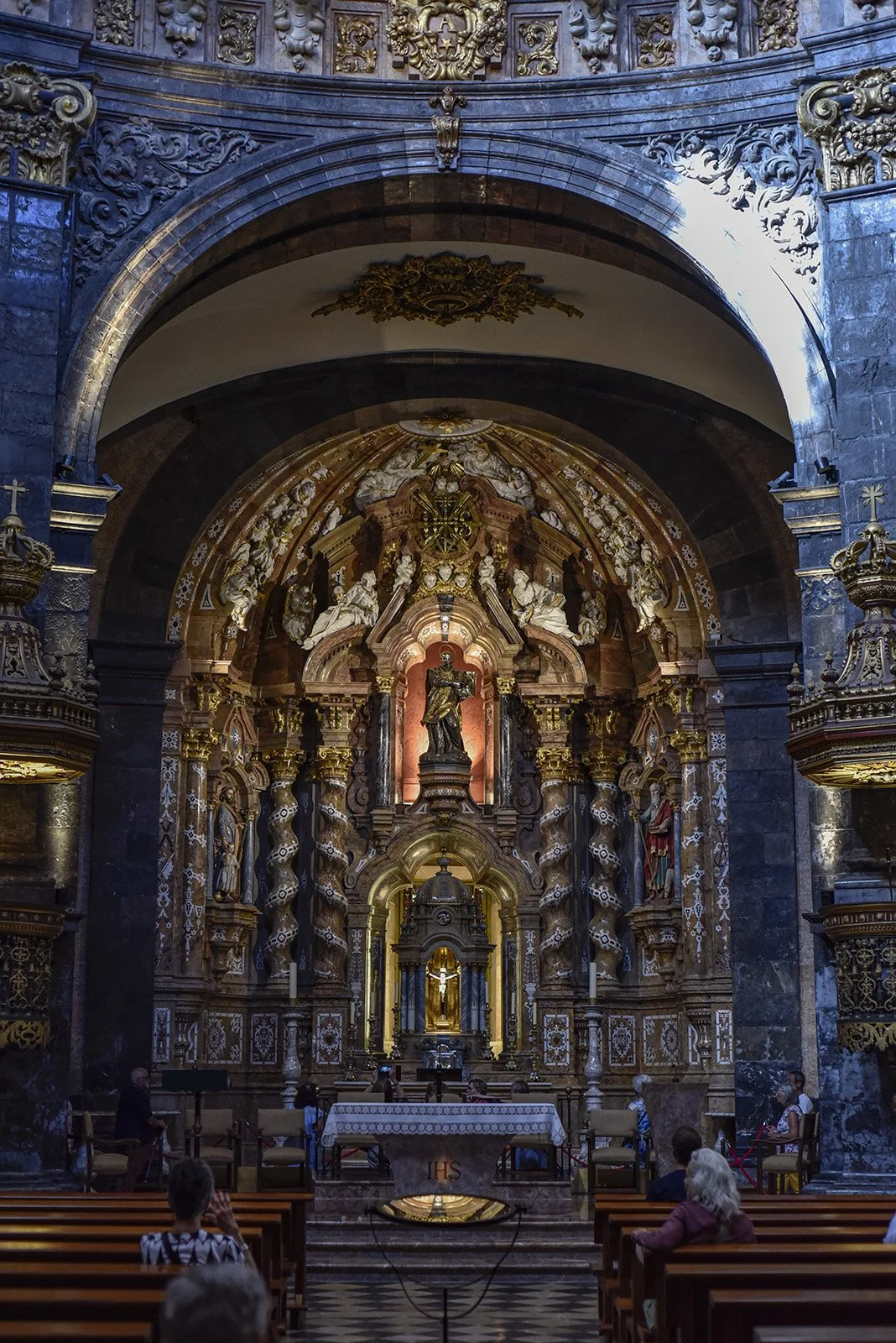
A detour into the mountains brought us to the Sanctuary of Arantzazu, a religious complex dedicated to an apparition of the Virgin Mary. Its striking modern architecture, set dramatically amid the surrounding natural landscape, offered a refreshing contrast to the ornate Baroque churches and older cathedrals we had encountered along the way.
The following day, we departed Bilbao for San Sebastián, also known by its original Basque name, Donostia. En route, we made a special stop at the birthplace of Saint Ignatius of Loyola. Here, the original medieval tower of his noble family is enveloped by a grand Baroque Jesuit sanctuary.
This stop carried particular significance for our group. The Jesuit history of the Sonoran Desert is deeply connected to Ignatius of Loyola and Saint Francis Xavier, the Basque founders of the order. Their legacy would eventually reach the very borderlands we call home, making this an especially meaningful connection between the Basque Country and our own region.
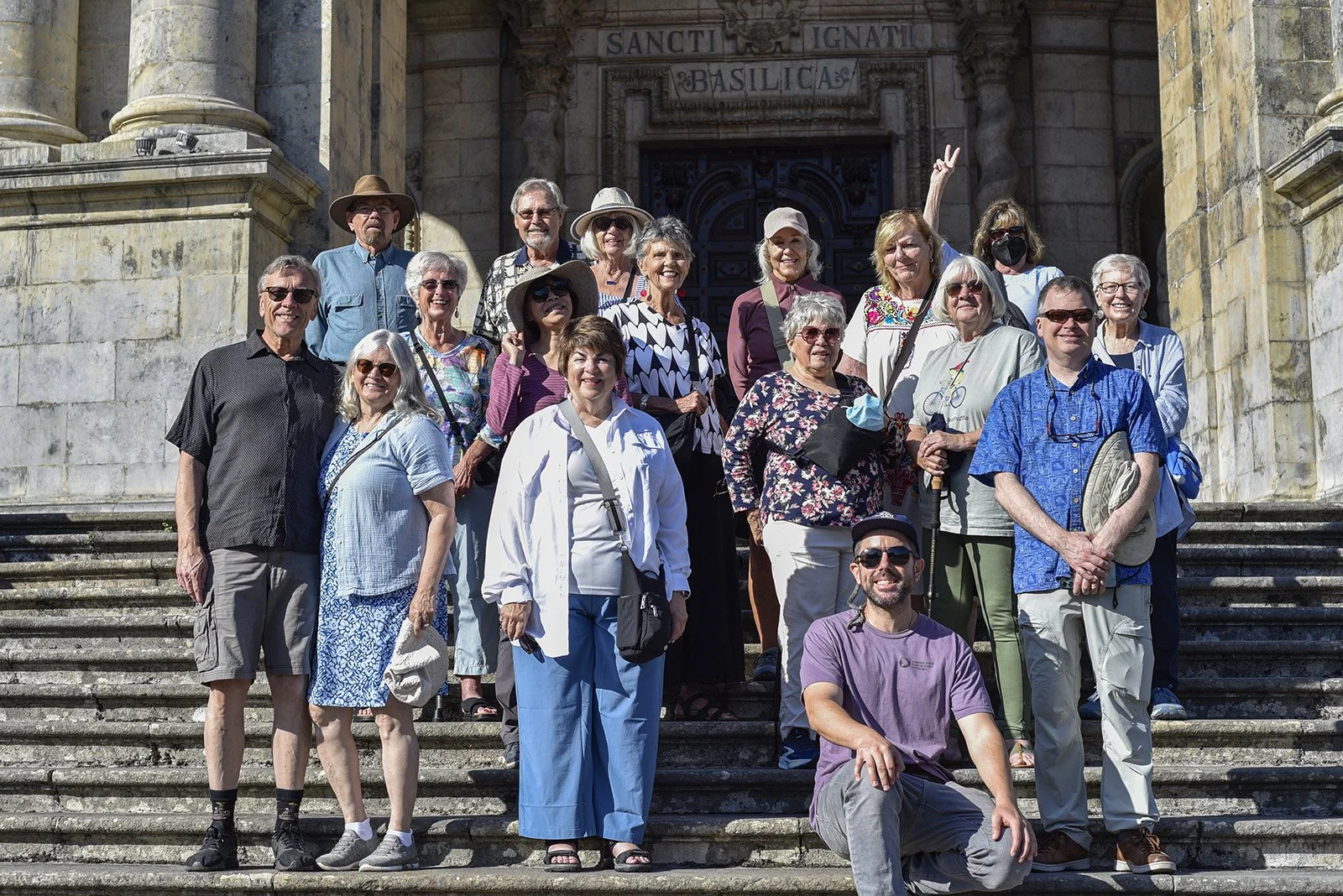
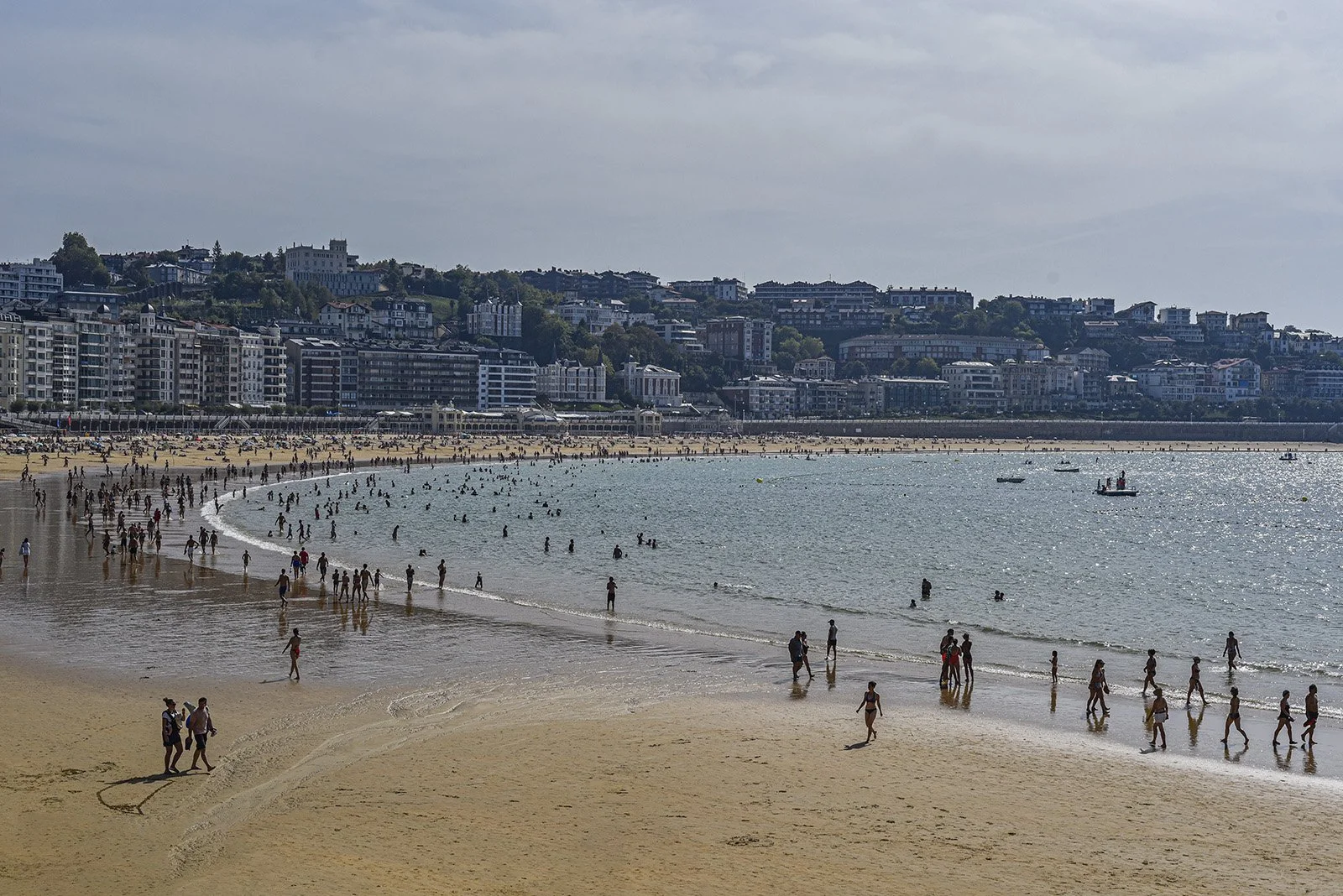
Arriving in the world-famous seaside city of San Sebastián, we began with a guided walking tour of the old quarter, which had been destroyed by fire during the Napoleonic Wars. Its subsequent reconstruction in the elegant Belle Époque style reminded us just how close we were to the French border.
We were dazzled by the number of world-renowned pintxo institutions lining the streets. San Sebastián is truly a city made for lovers of food. Our introductory tour proved especially useful later that day, when we ventured out on our own to hop between its many pintxo bars.
The next day, we explored the countryside surrounding San Sebastián, one of the world's great hard-cider regions. We began at the Cider Museum, where we were guided through the entire production process, from the apple orchards to crushing, fermentation, and, best of all, tasting!
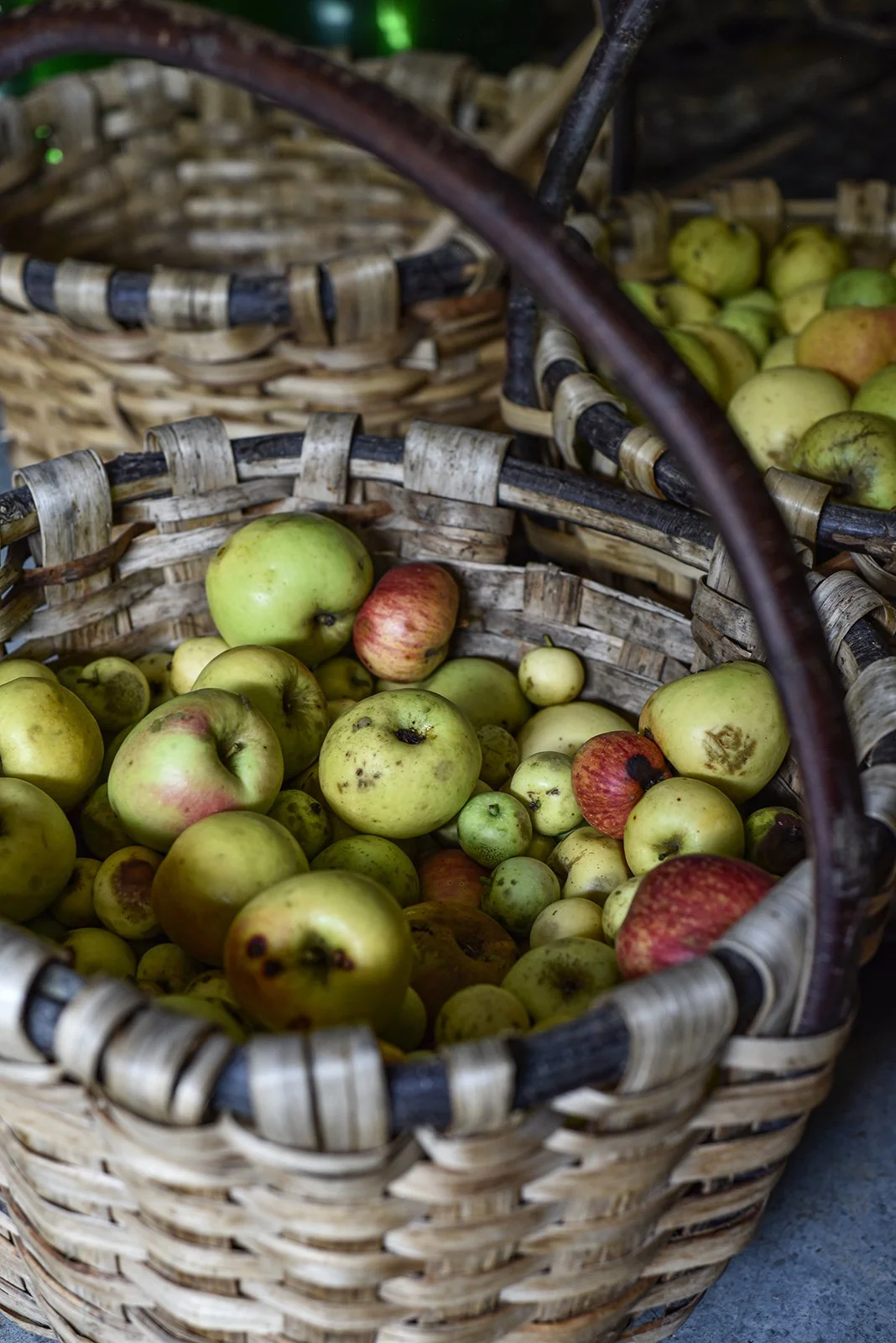
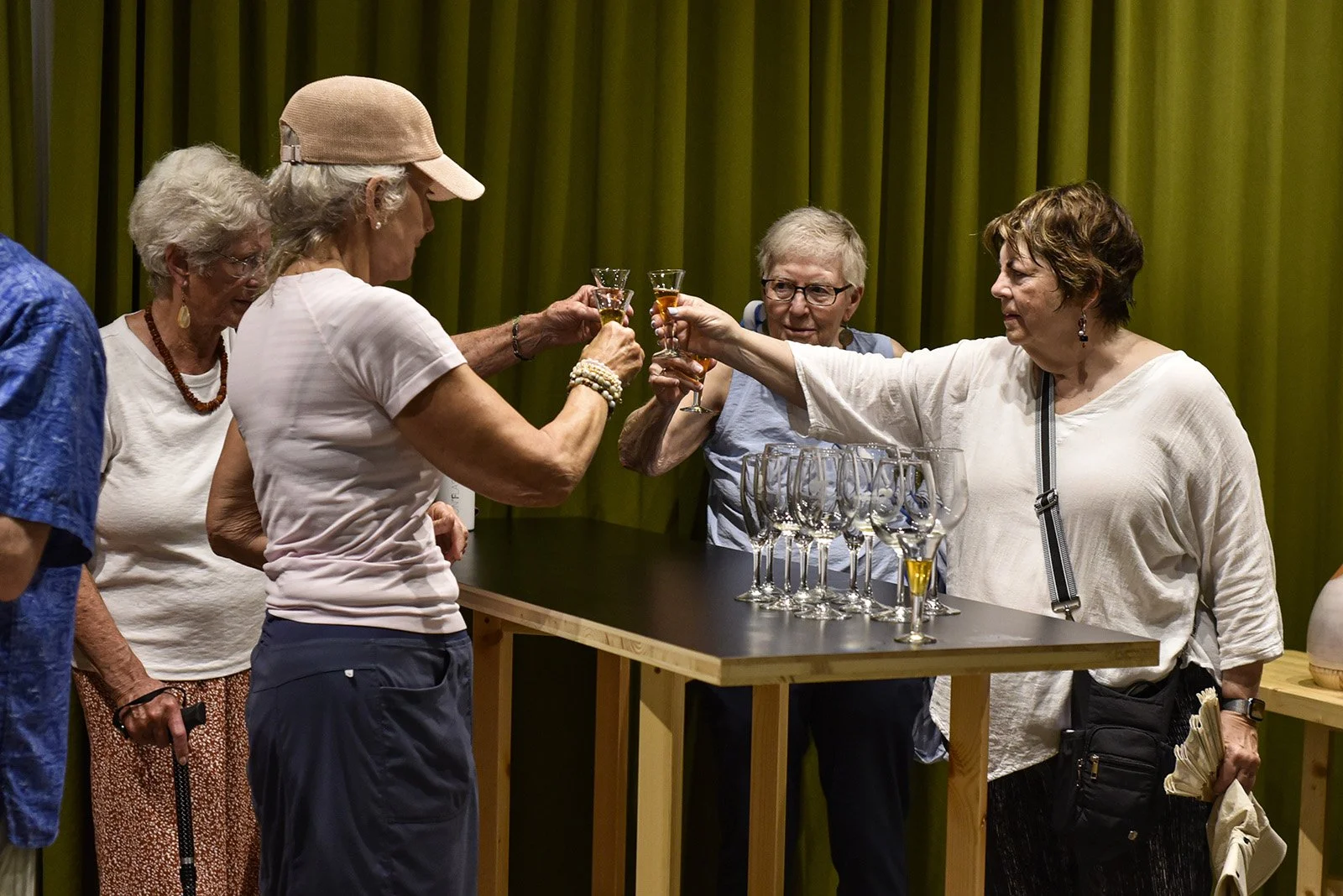
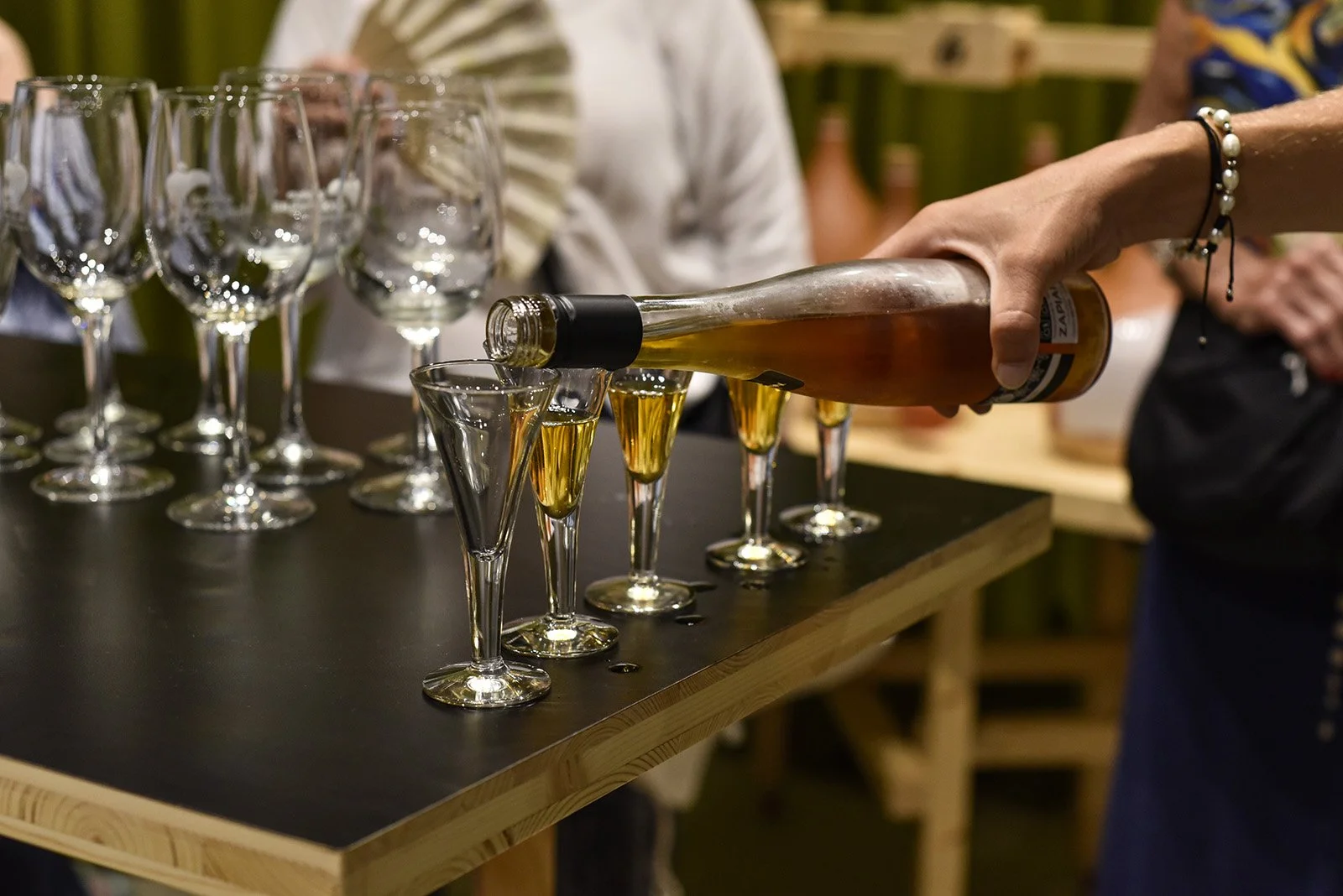
We sampled the refreshing, dry Basque cider, quite different from the sweeter varieties many of us were accustomed to. The highlight was tasting it directly from enormous wooden barrels, each fitted with a spigot from which fresh cider flowed in a lively stream. The experience was punctuated by the traditional Basque cry of "Txotx!"—the invitation to gather around and enjoy the cider.
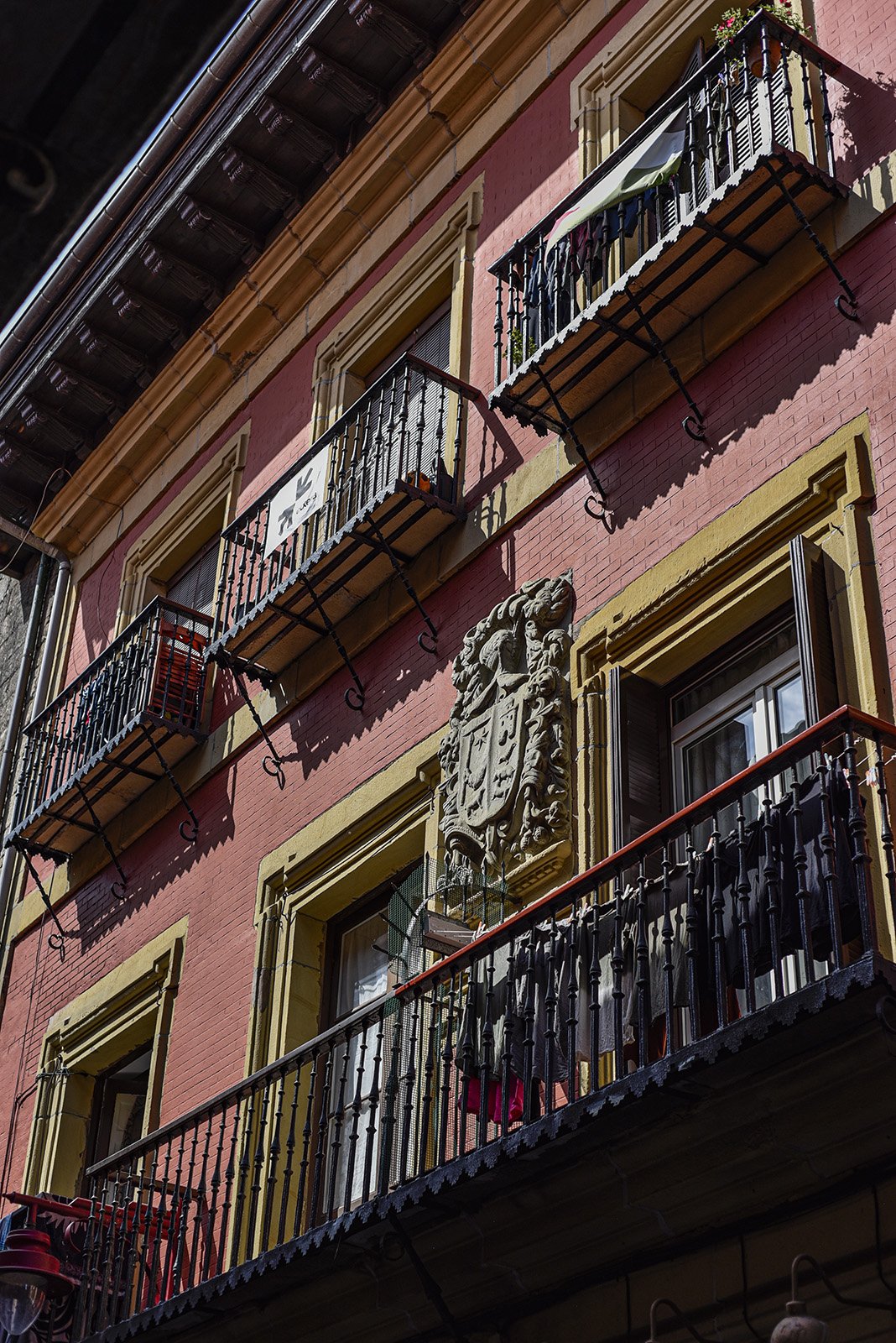
Not far from the museum lies the town of Hernani, which holds a special place in our borderlands history. It was the birthplace of Juan Bautista de Anza II's father, the elder Juan de Anza, and the home of his grandfather, who operated a pharmacy along the town's main street.
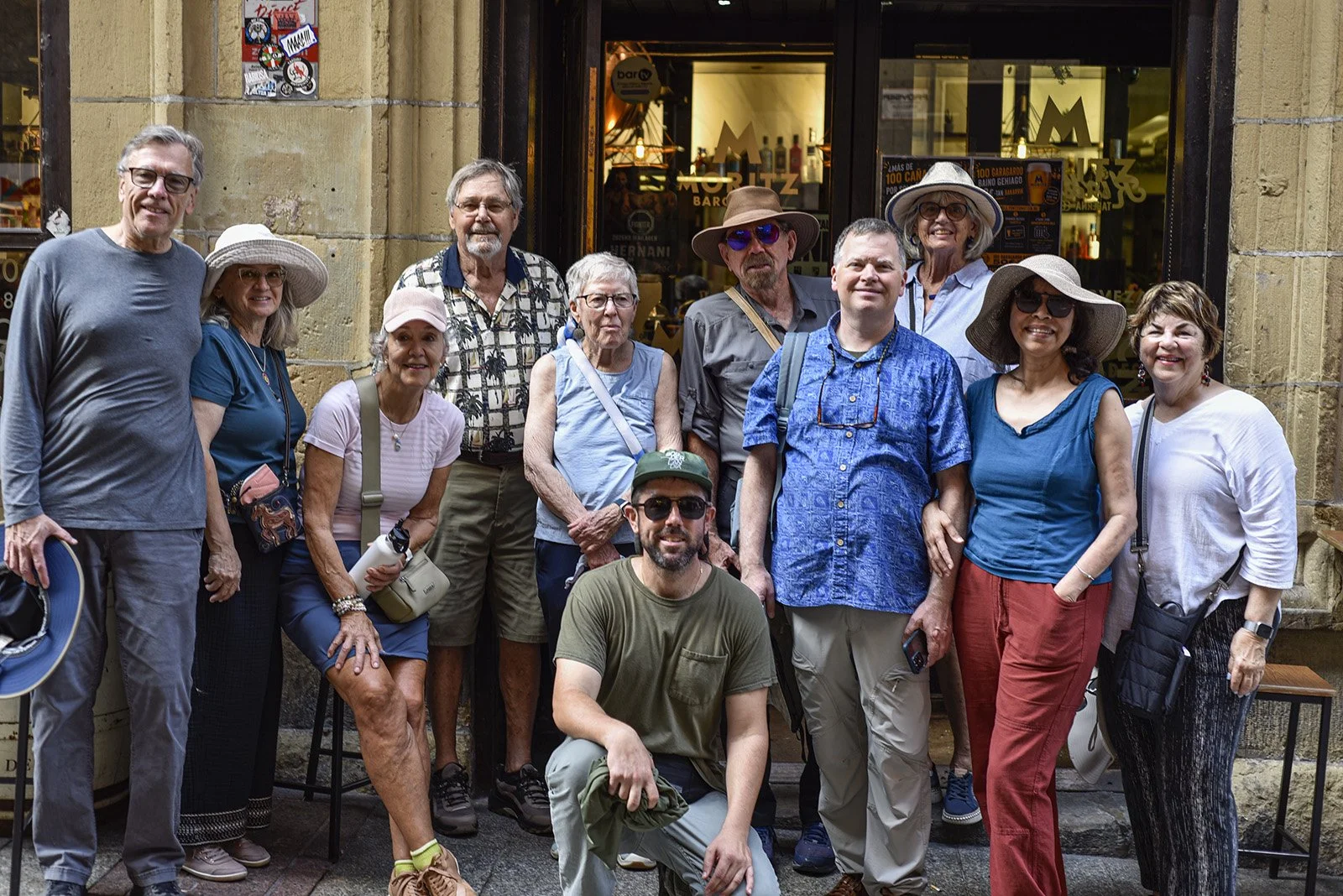
We visited the historic stone building, now a bar, and took a group photograph outside. We also enjoyed one of the best meals of the entire trip at a local restaurant. Back in San Sebastián, many of us capped off the day with a leisurely walk along the famous beachfront promenade, taking in the sweeping views of the bay.
Another major highlight awaited us the following day in the neighboring harbor town of Pasaia. To understand how Basque influence first reached the Arizona-Sonora borderlands, we needed to understand how the Basques reached the wider world in the first place.
Albaola Itsas Kultur Faktoria is an extraordinary museum and historic shipyard dedicated to preserving the region's maritime heritage. Its centerpiece is a painstaking reconstruction of the San Juan, a sixteenth-century Basque whaling ship discovered by archaeologists off the coast of Labrador, Canada, and later immortalized on the cover of National Geographic magazine.
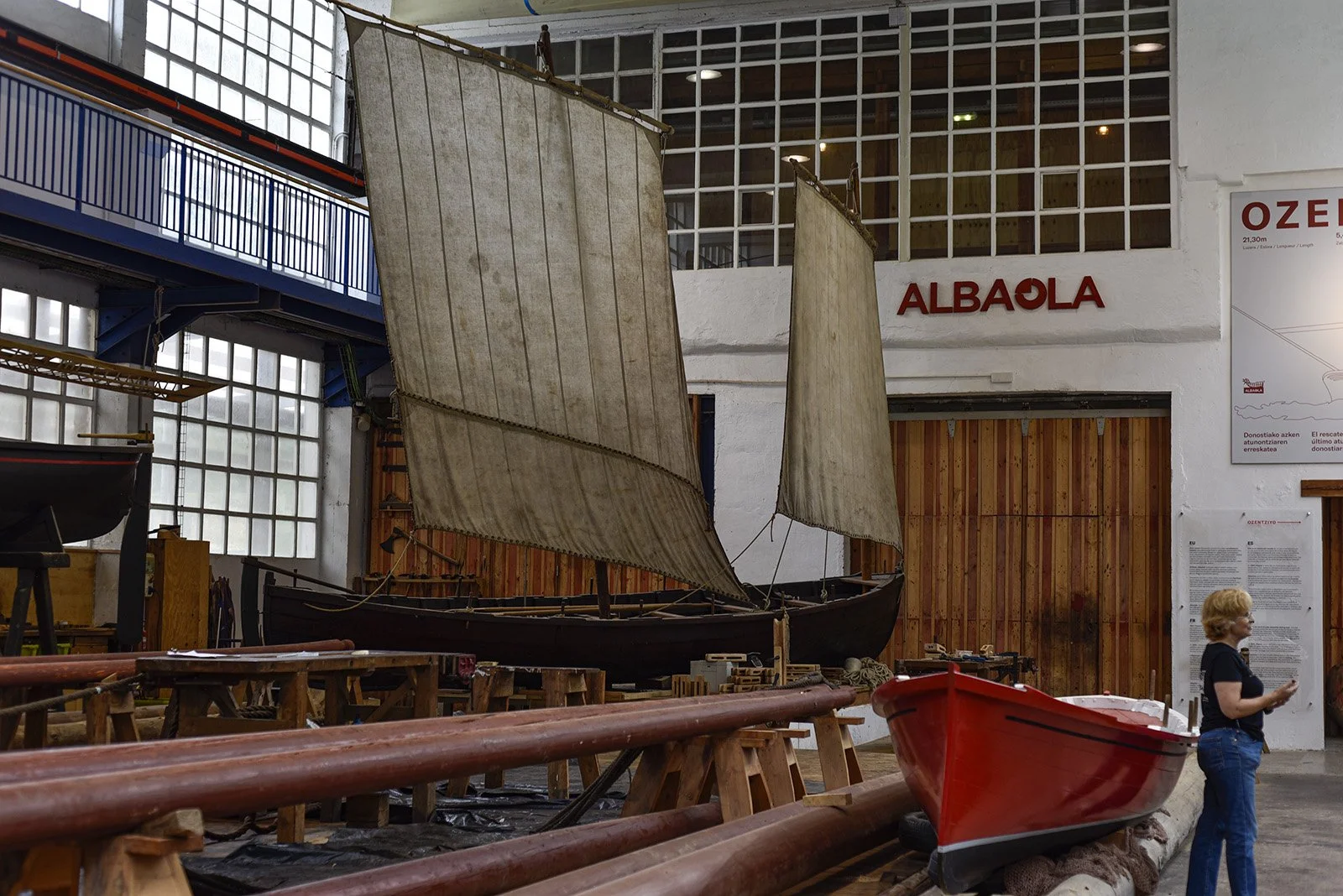
We learned how this corner of the Basque coast once served as something of the Cape Canaveral of the sixteenth and seventeenth centuries. Basque ships and sailors were at the forefront of Spanish maritime exploration, and their extraordinary shipbuilding and navigational skills helped set in motion the increasingly interconnected world we inhabit today.
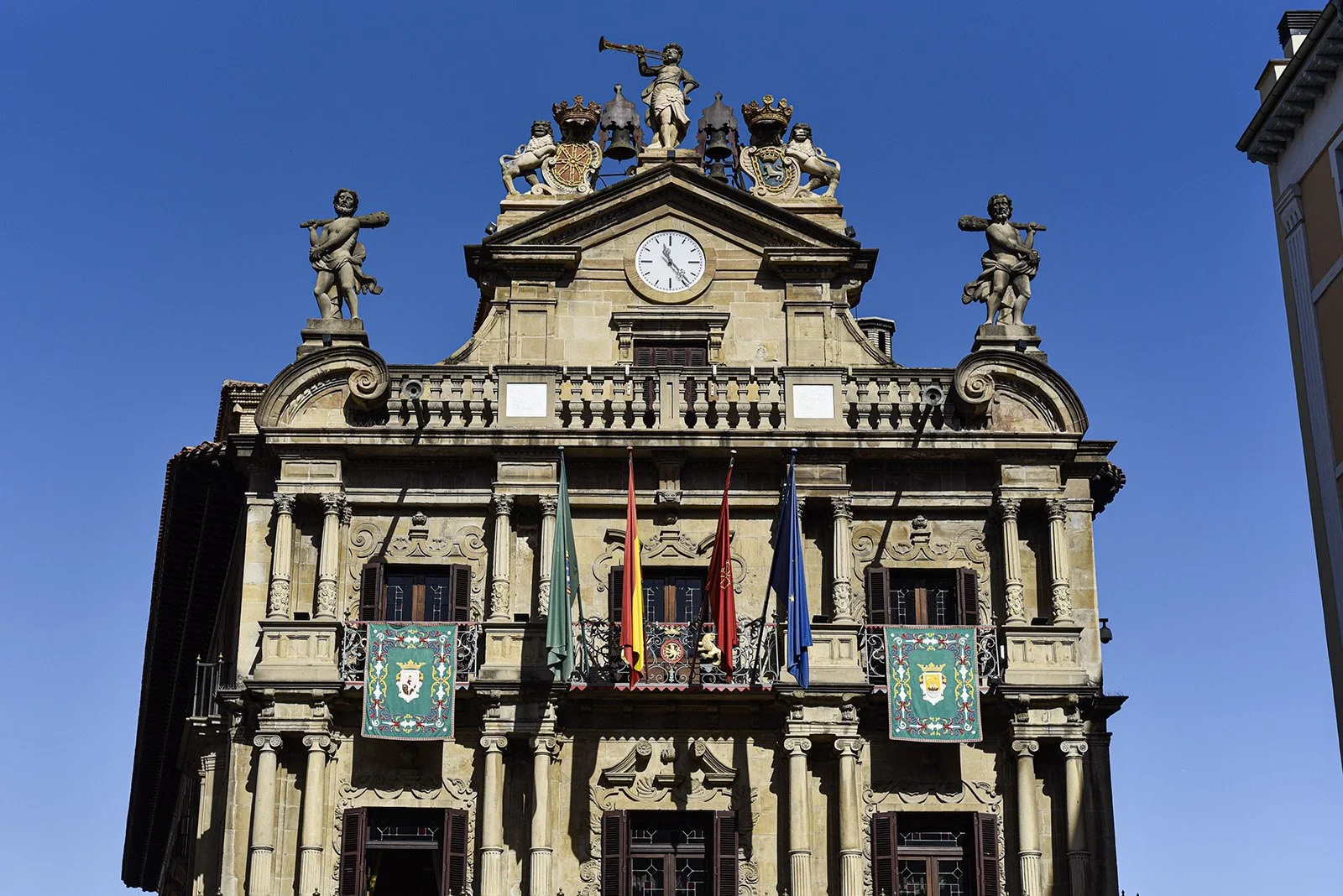
The following day, our destination was Pamplona. We headed into the foothills of the Pyrenees and the drier landscapes of Navarra, often considered the vegetable basket of the Basque region. For many travelers, Pamplona's remarkably intact medieval center became a favorite stop. And, of course, we couldn't help imagining how those same historic streets transform each year during the famous Running of the Bulls.
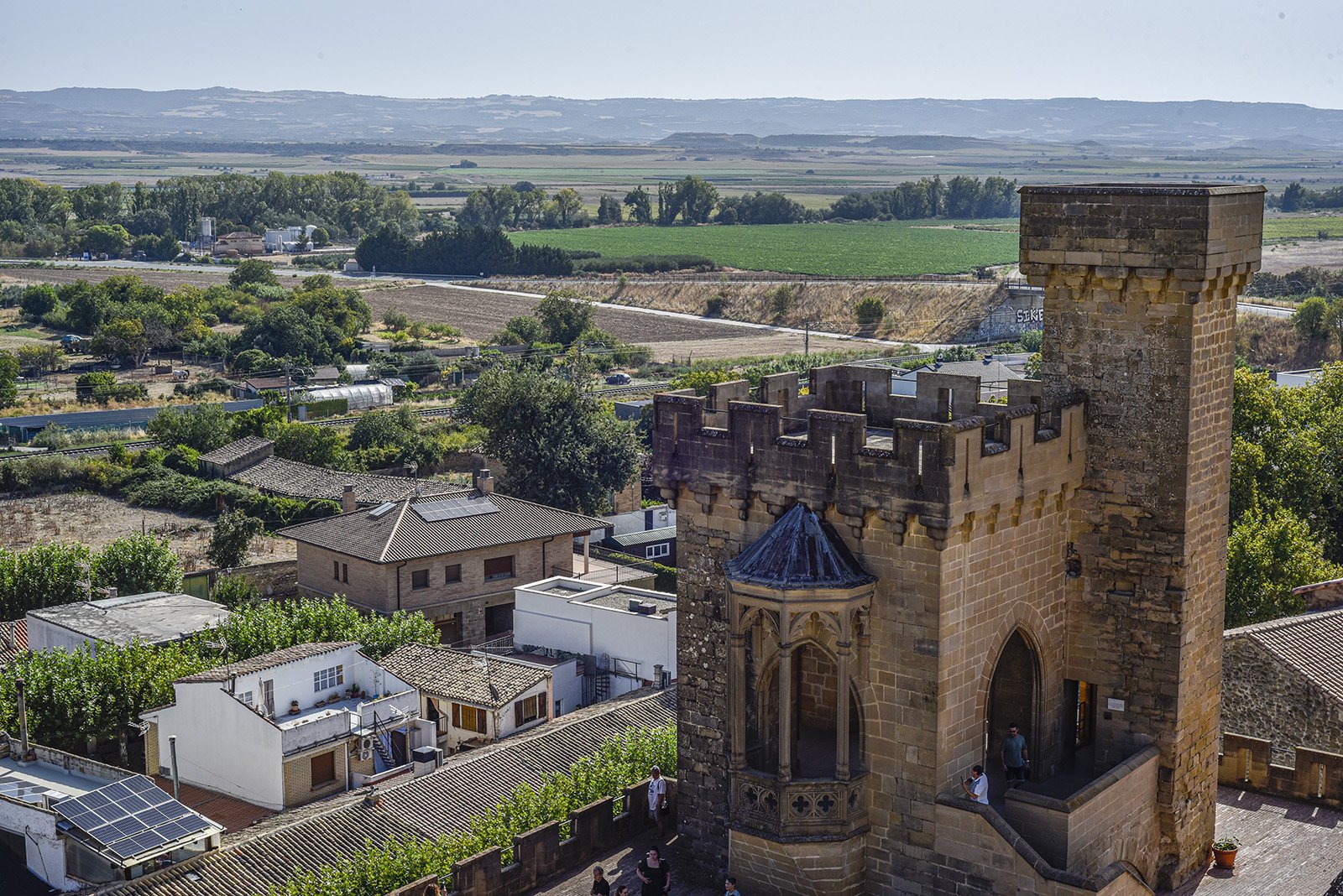
Our hotel, perched above the historic center, offered sweeping views of the surrounding valleys and mesas, particularly beautiful as the sun began to set.
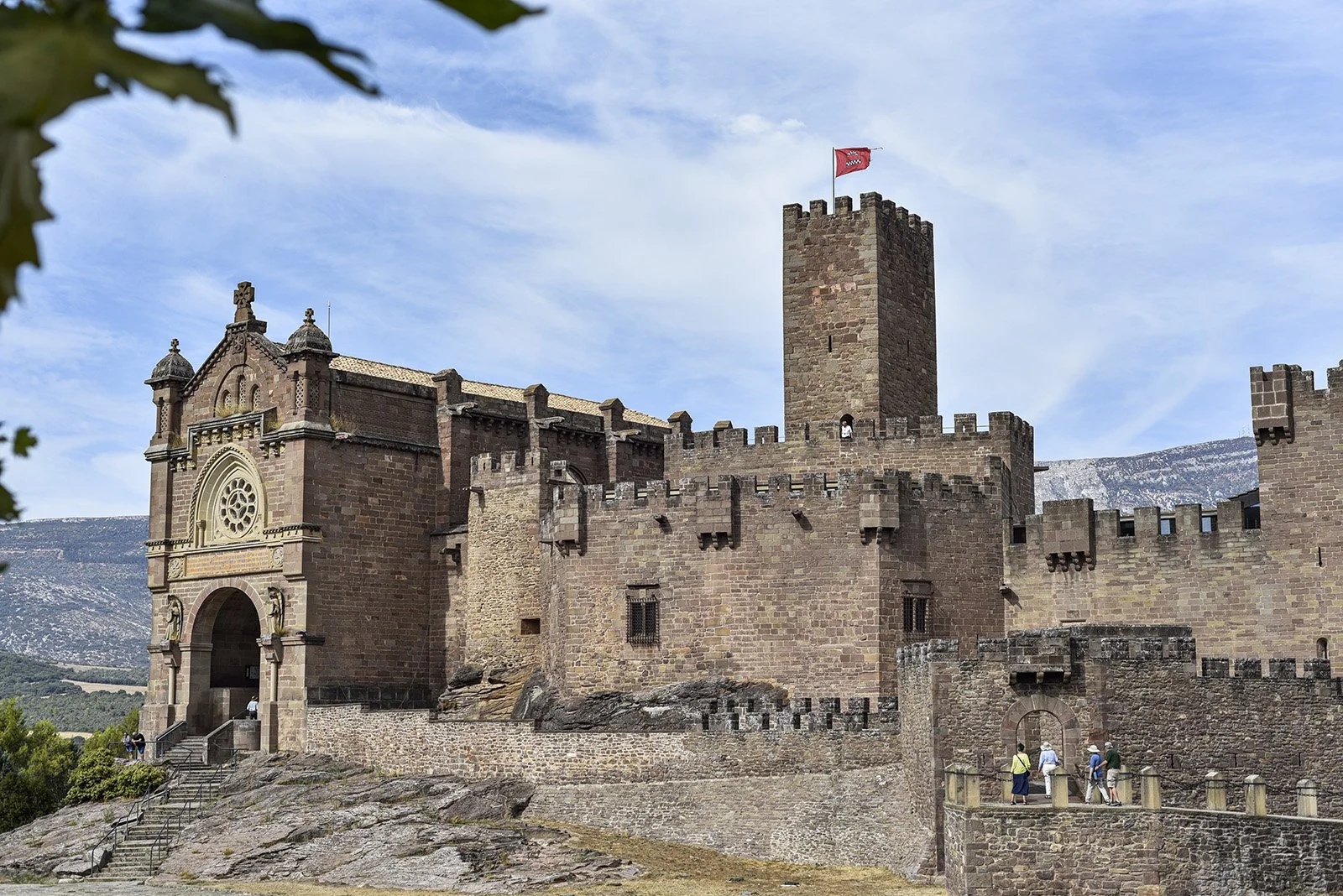
For our full day in Pamplona, we ventured out to the Royal Palace of Olite, once the seat of the kings and queens of the medieval Kingdom of Navarre, and the birthplace of Saint Francis Xavier.
The castle at Javier was breathtaking, particularly for its rural mountain setting. We all agreed that it was a deeply spiritual place to visit: the birthplace of the founder of the Jesuit missions in Asia and the patron saint of Padre Kino, whose own legacy is so closely tied to our Arizona-Sonora borderlands.
Our final day together was spent traveling from Pamplona back to Madrid, reflecting on our journey through the Basque Country and the wonderful people, places, and experiences we had encountered along the way.
We made a brief stop in Sigüenza for a delicious final group lunch, with the town's imposing cathedral providing a magnificent backdrop. From there, we continued to our hotel near Madrid-Barajas Airport, where we said our farewells. Most of the group would be completing the final leg of their journey home the following day.
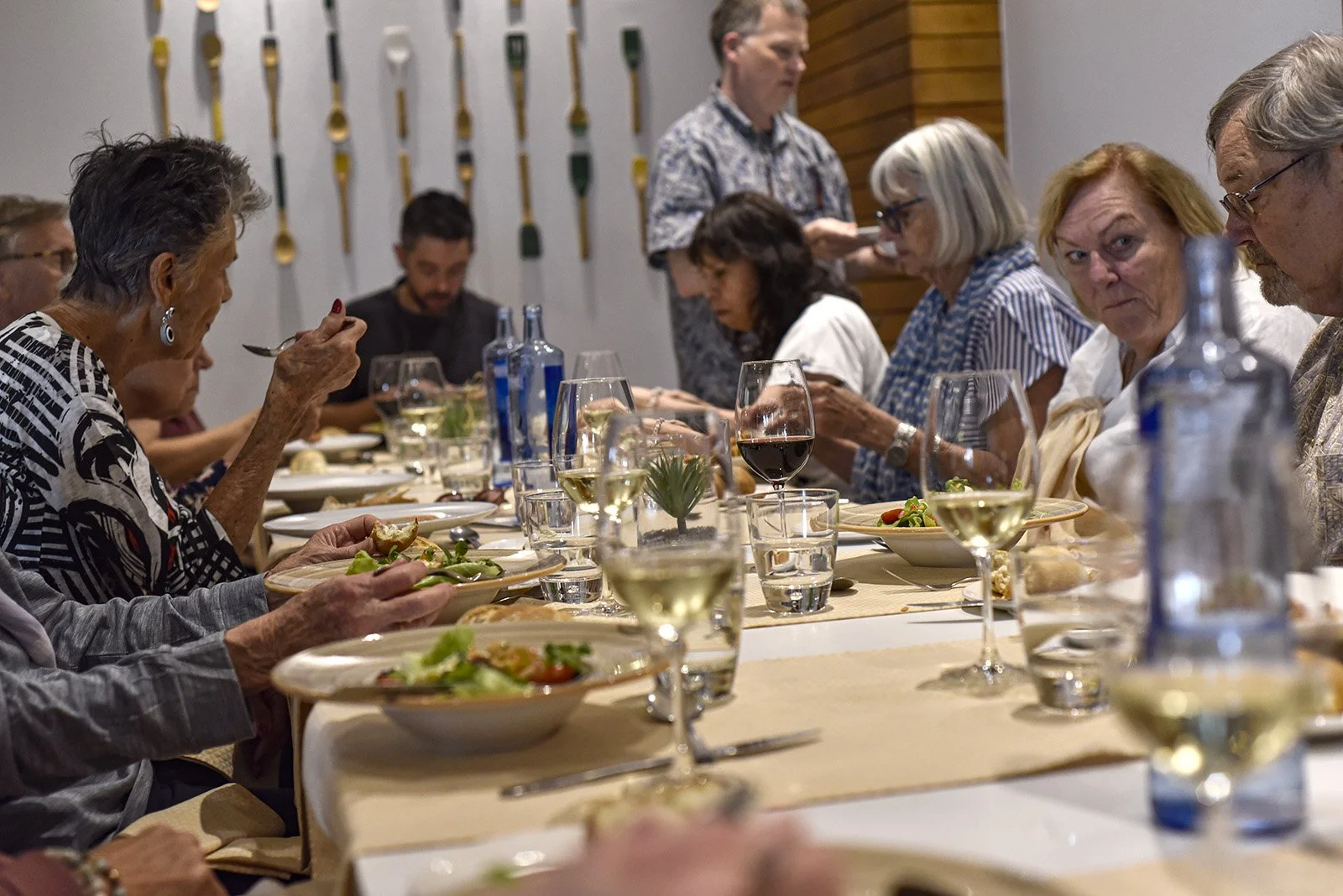
Eleven days, countless meals, unforgettable landscapes, and centuries of shared history had brought us full circle. What began as a journey to explore the Basque roots of the Arizona-Sonora borderlands became something much more: an opportunity to experience the culture, hospitality, food, and living history of the very communities that helped shape our own corner of the world.
And if there was one thing we all took away from our first Borderlandia excursion to Spain, it was this: the connections between the Basque Country and our borderlands are far deeper than most people realize—and there is always another great meal waiting just around the corner.
And we have great news! Another great tour to the Basqueslands is just around the corner as well. Due to overwhelming interest, we have decided to offer the trip again next year to those who couldn’t make this sold-out inaugural journey.
Secure your place here: The Basque Borderlands Tour 2027