Where the River Begins: Linda Ronstadt and the Río Sonora
The Río Sonora doesn’t rush. It moves deliberately through northern Mexico, cutting across stone and memory alike. For Linda Ronstadt, that river is more than geography. It is origin.
Ronstadt’s family roots trace to Banámichi, a small town along the Río Sonora valley. Though she was born in Tucson and rose to fame as one of America’s most versatile singers, she has long described her identity as anchored in Sonora. The border may divide Arizona and Mexico on paper, but in her telling, culture flows freely across it.
“Wherever I’ve lived, wherever I travel, my soul is always winging it down the road, south over the border, back to my land and my roots in Sonora,” she writes in Feels Like Home: A Song for the Sonoran Borderlands.
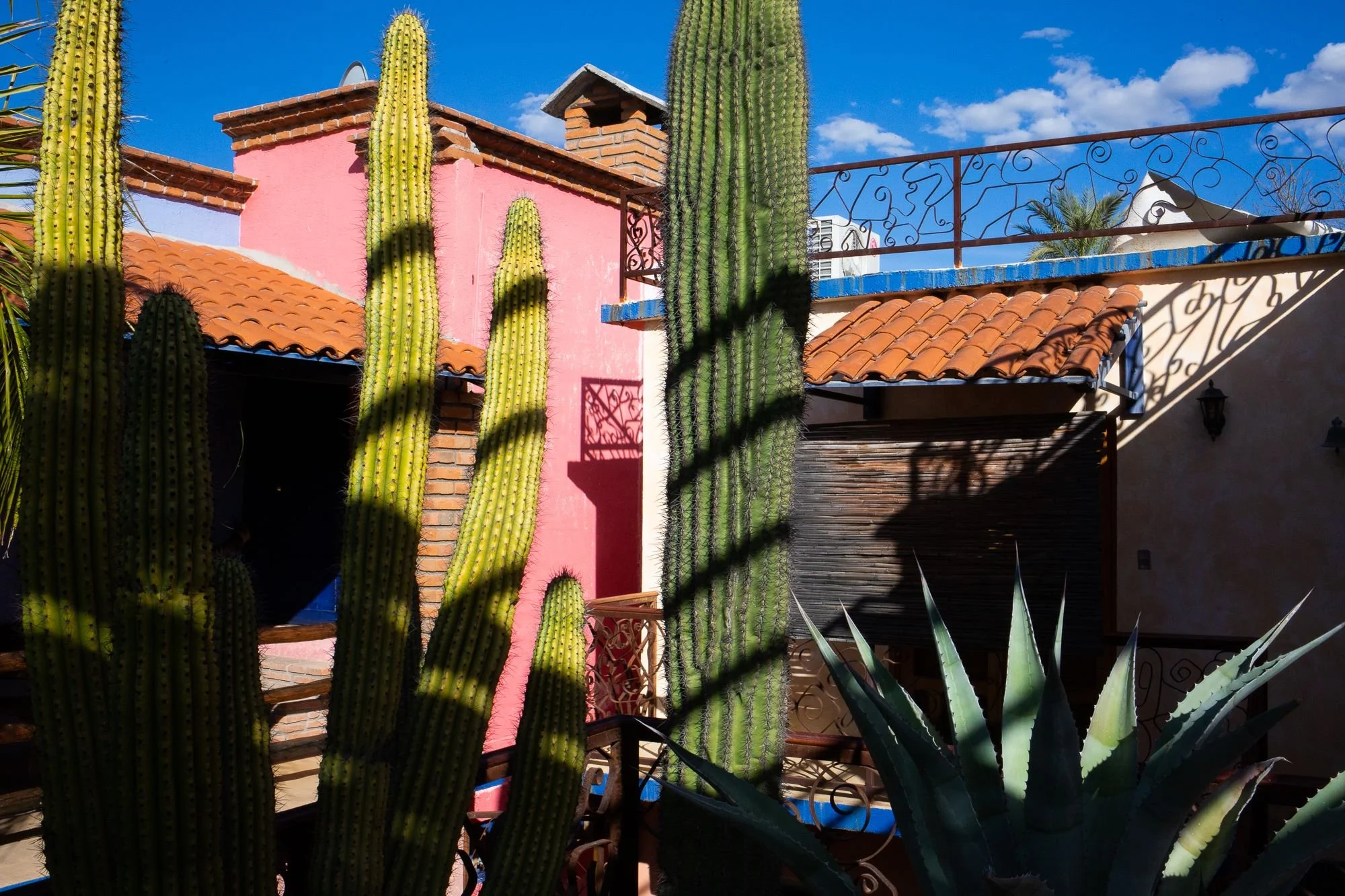
La Posada del Río Sonora. Photo: Robert Castagna
That pull toward the Río Sonora is not a romantic abstraction. It is family history. Ronstadt grew up surrounded by traditional Mexican songs sung in her home—ballads, rancheras, and folk tunes passed down through generations. Those melodies, learned long before stadium tours and Grammy Awards, would later find their way back to center stage.
In 1987, she released Canciones de Mi Padre, a collection of traditional Mexican rancheras drawn from her family’s repertoire. The album became one of the best-selling Spanish-language recordings in U.S. history. But for Ronstadt, it wasn’t a crossover experiment. It was a return.
The songs were the music of her childhood—the soundtrack of gatherings, stories, and shared heritage. By recording them, she wasn’t reinventing herself; she was publicly embracing what had always been there.
In her book, Feels Like Home, Ronstadt goes further, exploring the history of the Sonoran borderlands and the people who shaped them. The book reads as both memoir and cultural meditation, tracing the intertwined histories of Arizona and Sonora. She challenges the notion that the borderlands are a peripheral space. Instead, she frames them as central—an enduring cultural corridor where identity is layered, bilingual, and resilient.
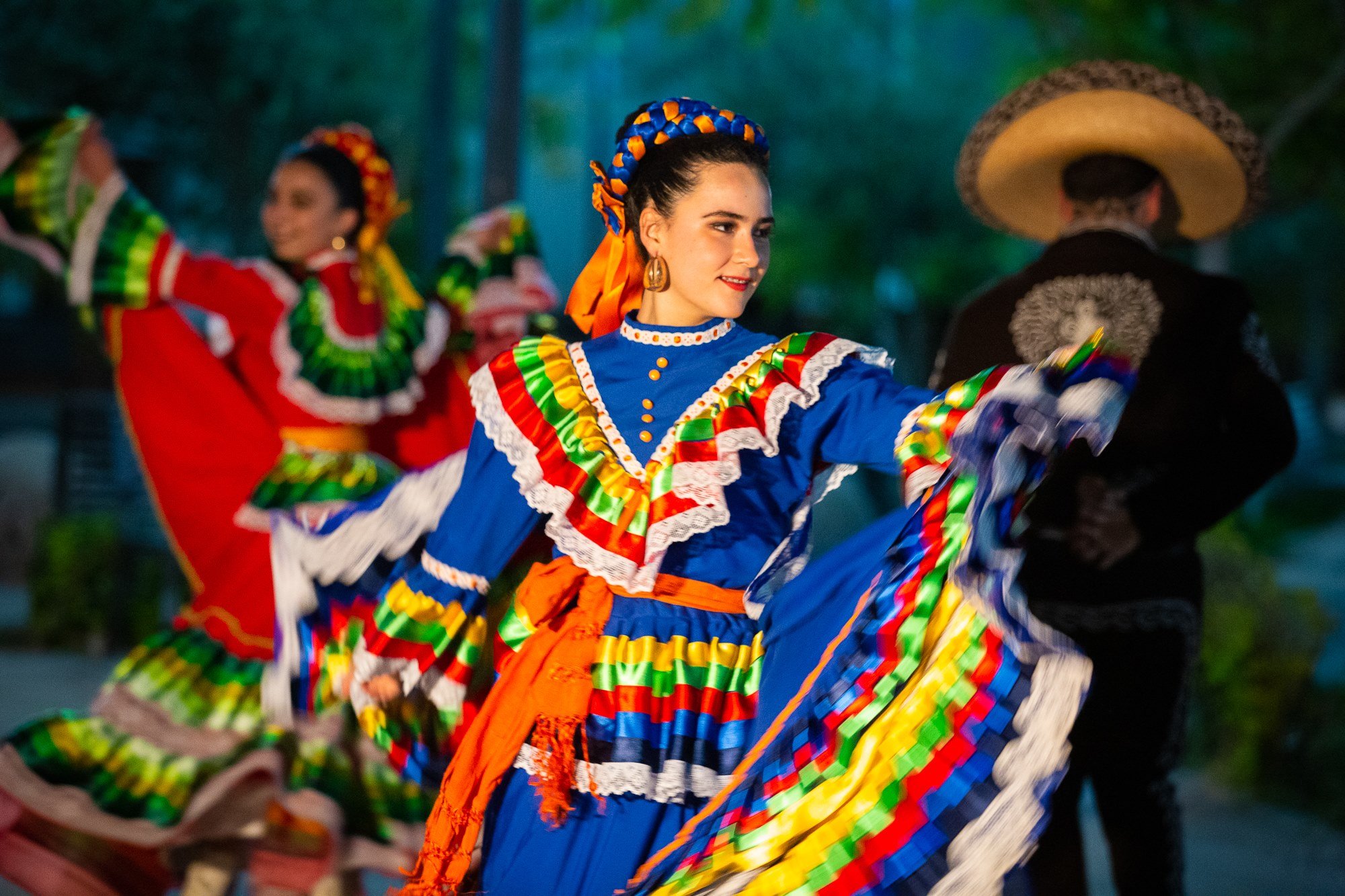
Folkloric dancers. Photo: Robert Castagna
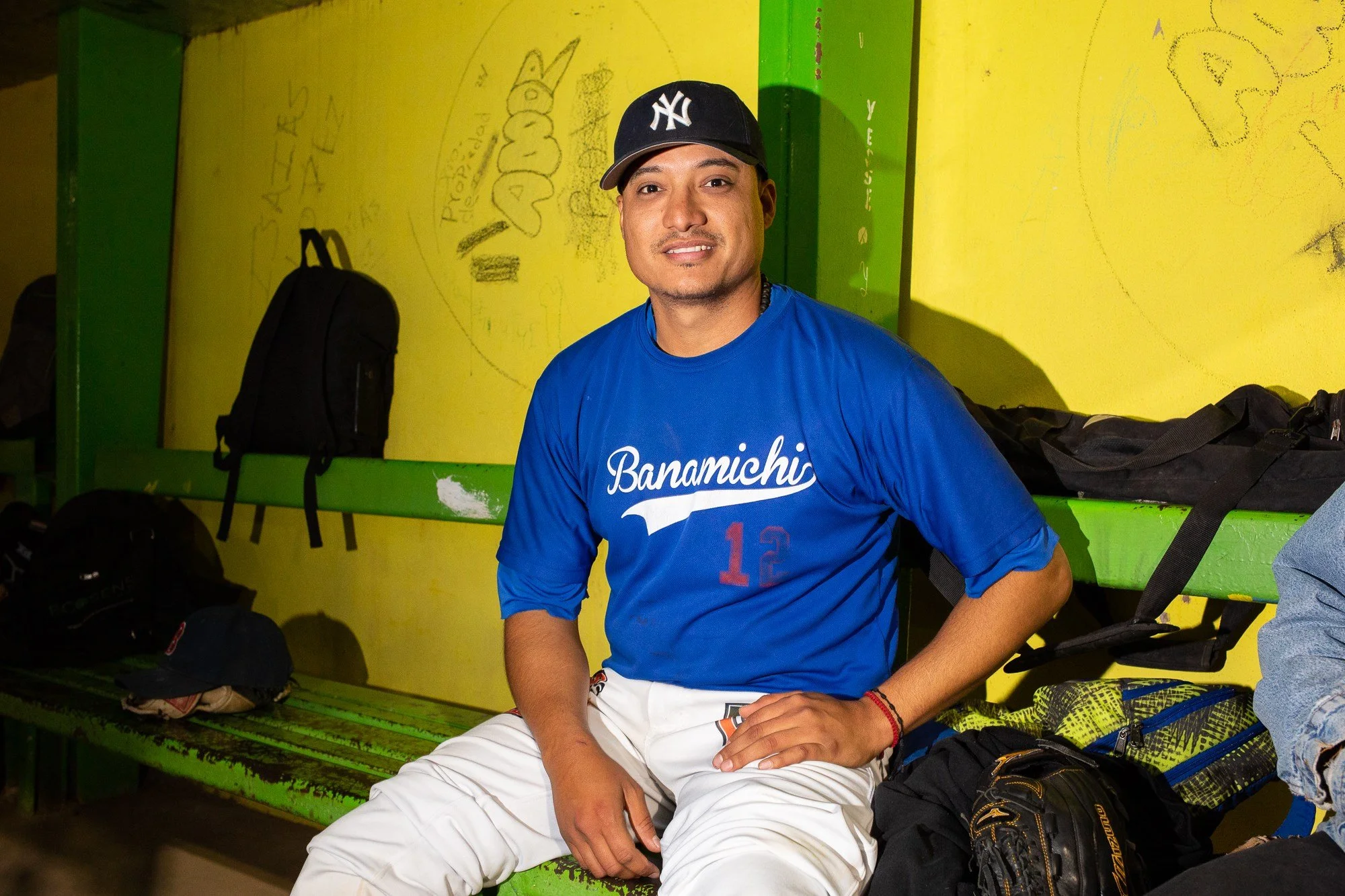
Banámichi team baseball player. Photo: Robert Castagna
“This is Arizona, where I was born, and Sonora, where my soul is anchored,” she writes.
In today’s political climate, conversations about the border often focus on enforcement and division. Ronstadt’s story offers a different lens. The Sonoran Desert, which stretches across both sides of the boundary, predates the line that cuts through it. So do the families who have lived there for generations.
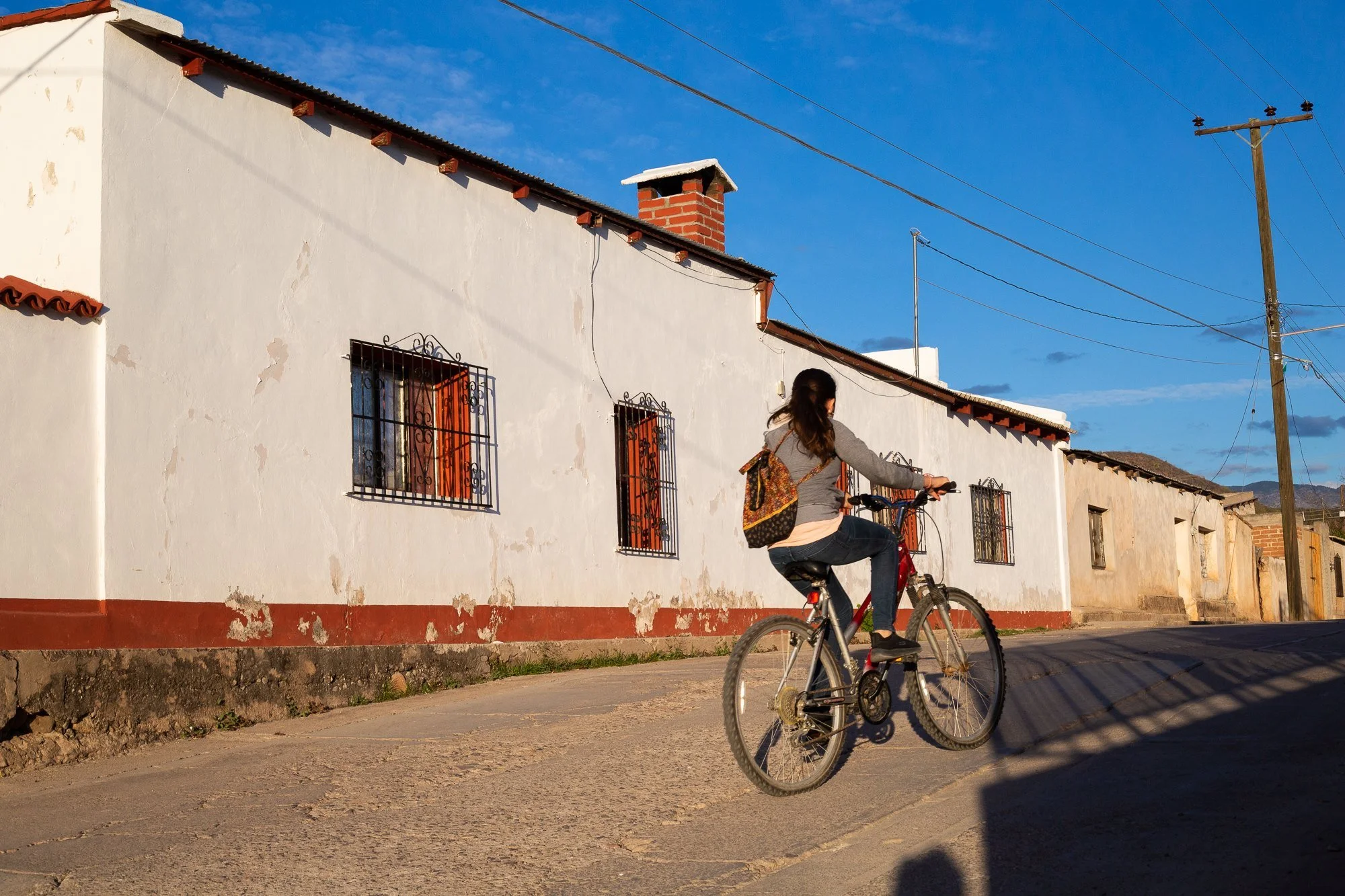
Street view. Photo: Robert Castagna
For Ronstadt, the Río Sonora valley represents continuity. It is where her family story began. It is the landscape that shaped the music she carried into the wider world. And it remains, even after decades of fame, the place she returns to in memory.
That river and cultural memory still runs through her work—quiet, steady, and unmistakable.
Ready to visit the ancestal land of the Ronstadts? Join us in our next adventure! For full details click here.