Where Does the Name Arizona Come From?
The answer may surprise you.
Have you ever wondered where the name Arizona originated?
Interestingly, the answer lies both very close to home and, at the same time, across the ocean in Europe.
Over the years, several theories have circulated about the origin of the word Arizona, but one of the most compelling comes from research by historian Don Garate, former chief of interpretation at Tumacácori National Historical Park.
Don, who sadly passed away from brain cancer several years ago, played a key role in uncovering the Basque heritage of the Arizona-Sonora borderlands and sharing it with the public.
When most Americans think of the Basques, they typically imagine the immigrant sheep herders of the American West — in places like Idaho or California. But here, in the Southwest U.S. and northern Mexico, Basque roots run much deeper, dating back centuries.
1710 New Kingdom of Nueva Navarra. Map by Father Kino. Bibliothèque Nationale de France.
During Spanish colonial times, the Sonoran Desert was known as Nueva Navarra, and neighboring Chihuahua was called Nueva Vizcaya — both named after Basque provinces in Spain. In fact, Basques were a significant presence on the northern frontier of New Spain, forming a majority of the so-called "Spaniards" in the region.
These colonial Basques became military leaders, miners, ranchers, and the ancestors of families still living on both sides of today’s U.S.-Mexico border. Like the Scots and Irish — minorities from another colonial empire, Great Britain — Basques were often pushed to the outer edges of the empire, becoming pioneers in harsh frontier lands.
In the 1730s, a major silver strike was discovered at a site called Real de Arizona, located on the ranch of criollo Basque settler Bernardo de Urrea. This site, known for its planchas y bolas de plata (slabs and balls of silver), was located just southwest of present-day Nogales in Sonora, Mexico.
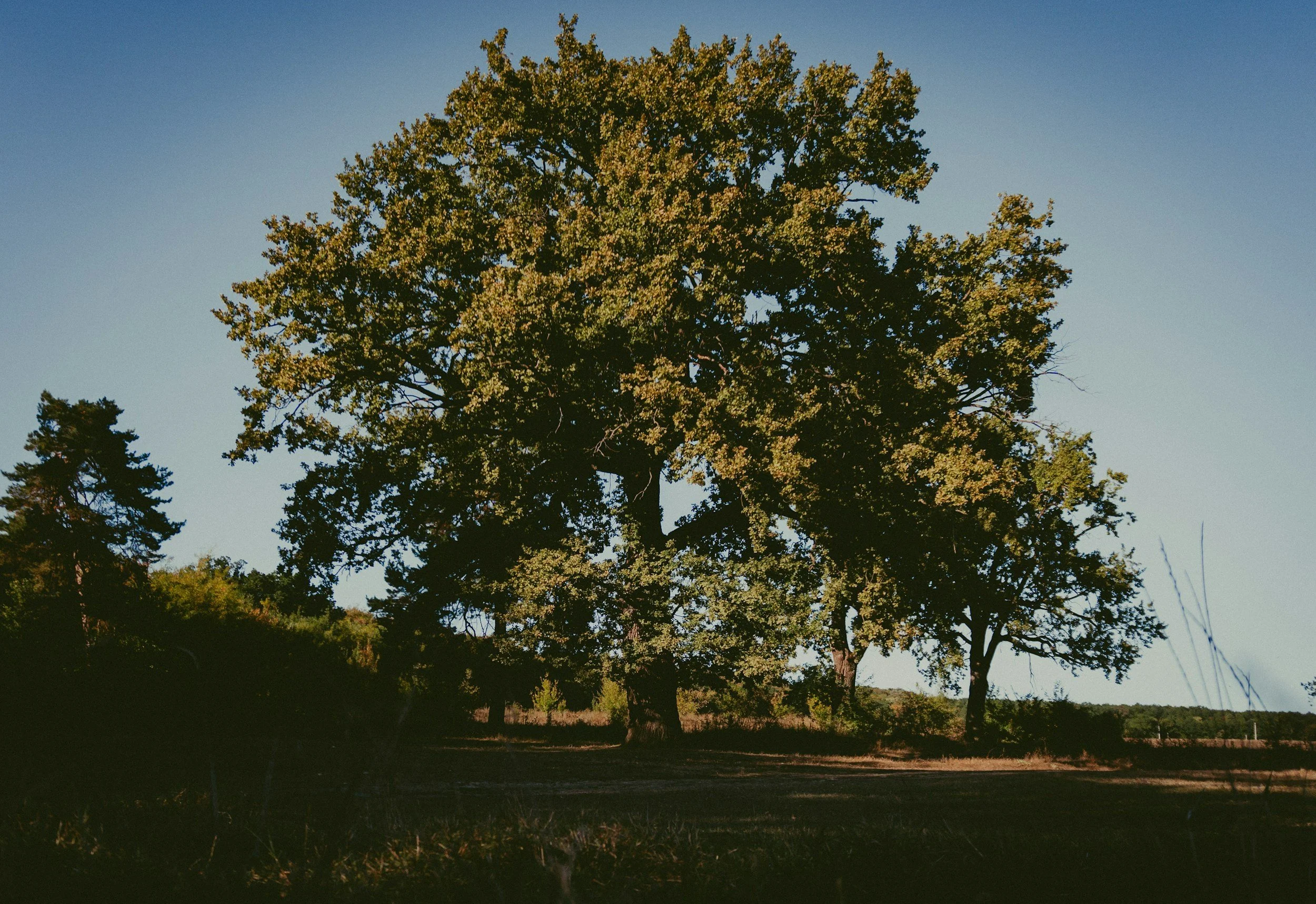
According to Don Garate, the word Arizona comes from the Basque language, meaning “the good oak.” This likely refers to the Emory oaks scattered across the Sky Islands and upper elevations of the Sonoran Desert. For the Basque people, the oak tree has long been a powerful symbol of political freedom and identity, dating back to the medieval era.
This legendary silver discovery was so well-known that by the mid-19th century, Anglo-American promoters used the name Arizona to describe the territory, evoking images of mineral wealth to attract settlers to the region.
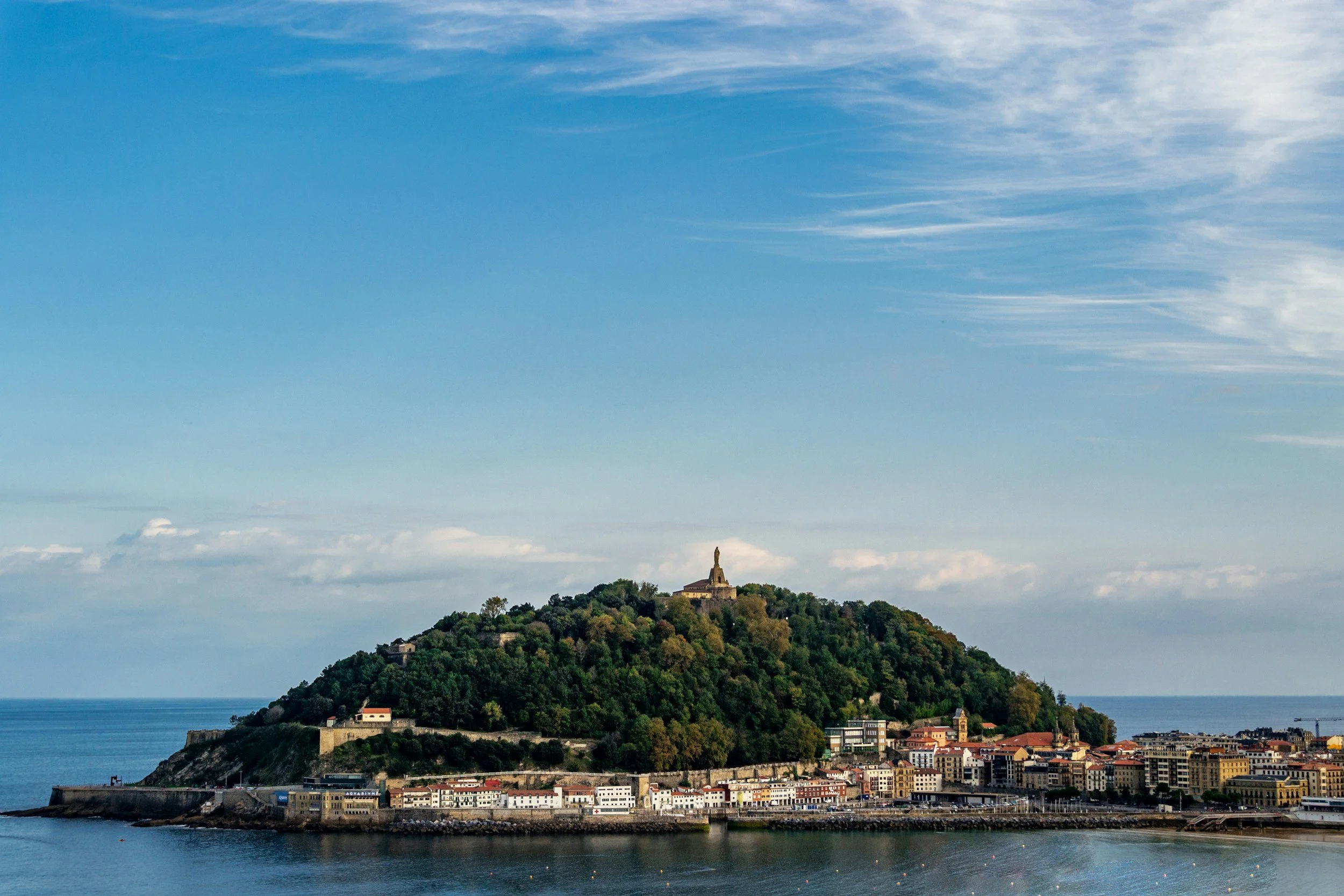
San Sebastián, Basque Country.

Street scene in Hernani, Anza’s ancestral homeland.
Explore This Hidden Heritage with Borderlandia
To celebrate this little-known Basque connection to Arizona, Borderlandia is organizing a unique cultural trip to the Basque Country and northern Spain, scheduled for August 31 to September 10, 2026.
Highlights include a visit to Hernani, ancestral hometown of Juan Bautista de Anza — a key figure in the history of our region, commander of the Tubac Presidio, leader of the expedition that founded San Francisco, and namesake of the Juan Bautista de Anza National Historic Trail, which passes through our region.
If you’ve been dreaming of visiting Spain and haven’t yet made the leap, this is the perfect opportunity to explore the Basque Country with expert guides and fellow enthusiasts.
For a full itinerary or to learn more, please contact Borderlandia.