The Iconic Food of Baja
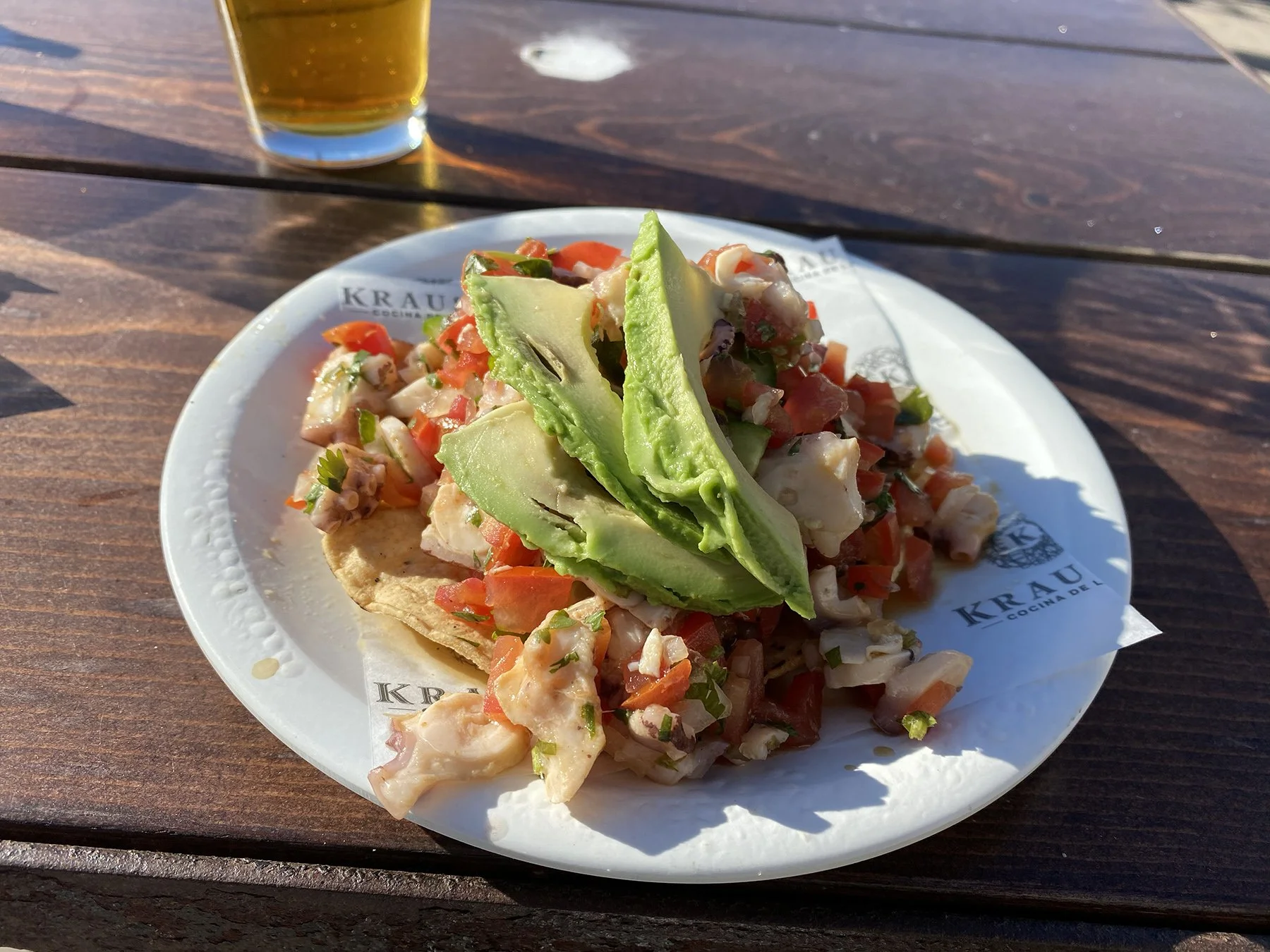
"La Baja" is a great entry point for first-time travelers curious about Mexico. It's a road trip destination less than a day away for most of the Southwest, and that very proximity brings familiar influences and amenities. Unlike central and southern Mexico, burgers, craft beer, off-road racing, English and a 7-Eleven are always just around the corner. But those influences run in both directions. Let's explore the origins of three culinary icons of the peninsula and see if they get us any closer to a more "authentic" Mexican experience.
Taco de Pescado
Ensenada, Baja California is the undisputed capital of the fish taco - as long as you leave sanfelipenses out of the conversation. But really? Nobody in all of Mexico had slapped a slab of fish into a tortilla until the middle of the 20th century? Locals are quick to correct me: an authentic Baja-style fish taco is much more than that, shaped by traditions from far beyond the peninsula.
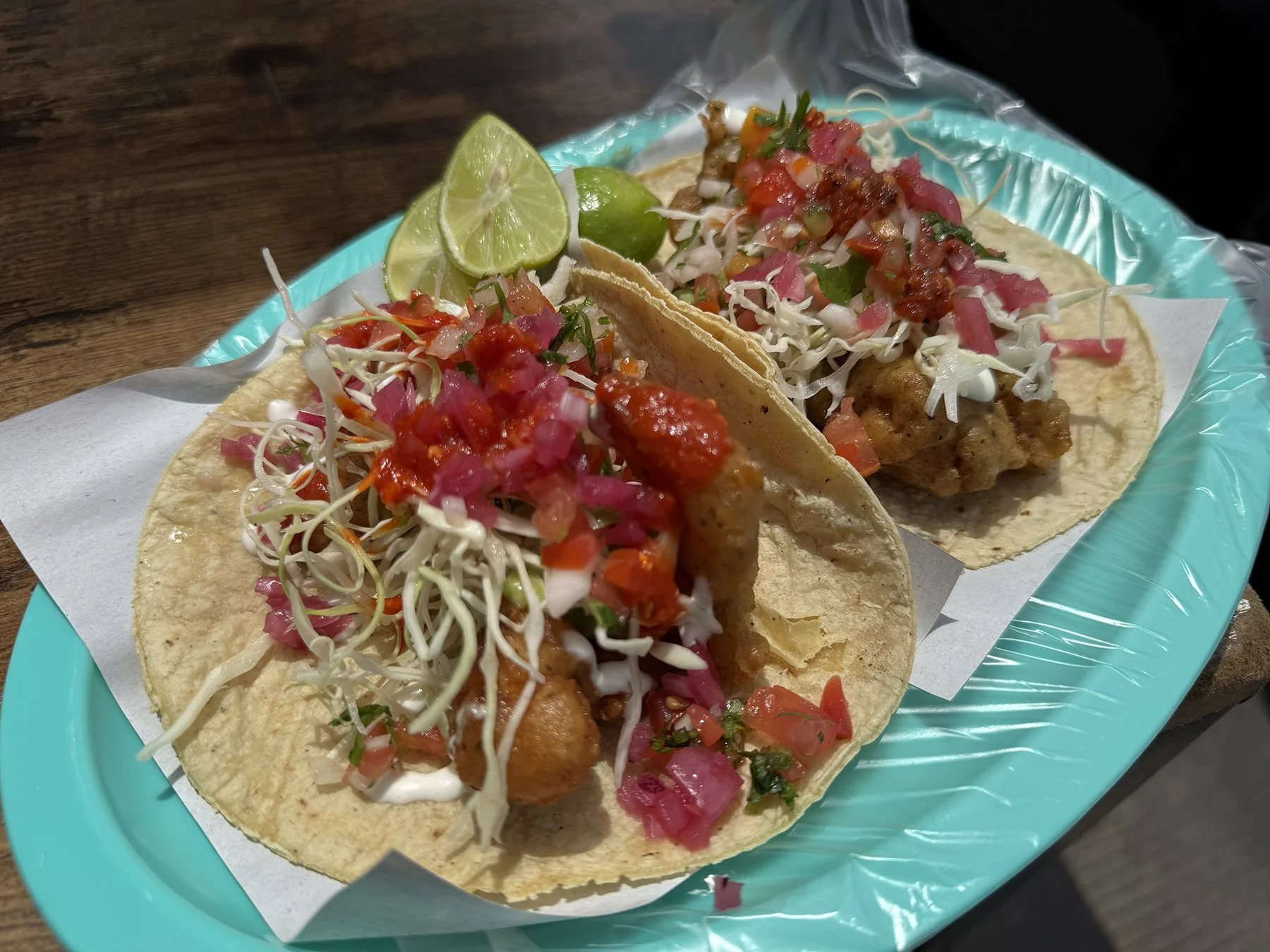
At its essence, it is in fact a pliable, steaming corn tortilla hugging a big chunk of fish. Or, more authentic still, mako and other small sharks commonly harvested along the Pacific coast. Unless you order it a la plancha, what really sets the taco apart is the fluffy beer batter, soon buried under fixings of your choosing: shredded cabbage, pico de gallo, cream, salsa and an eye-squinting squeeze of lime.
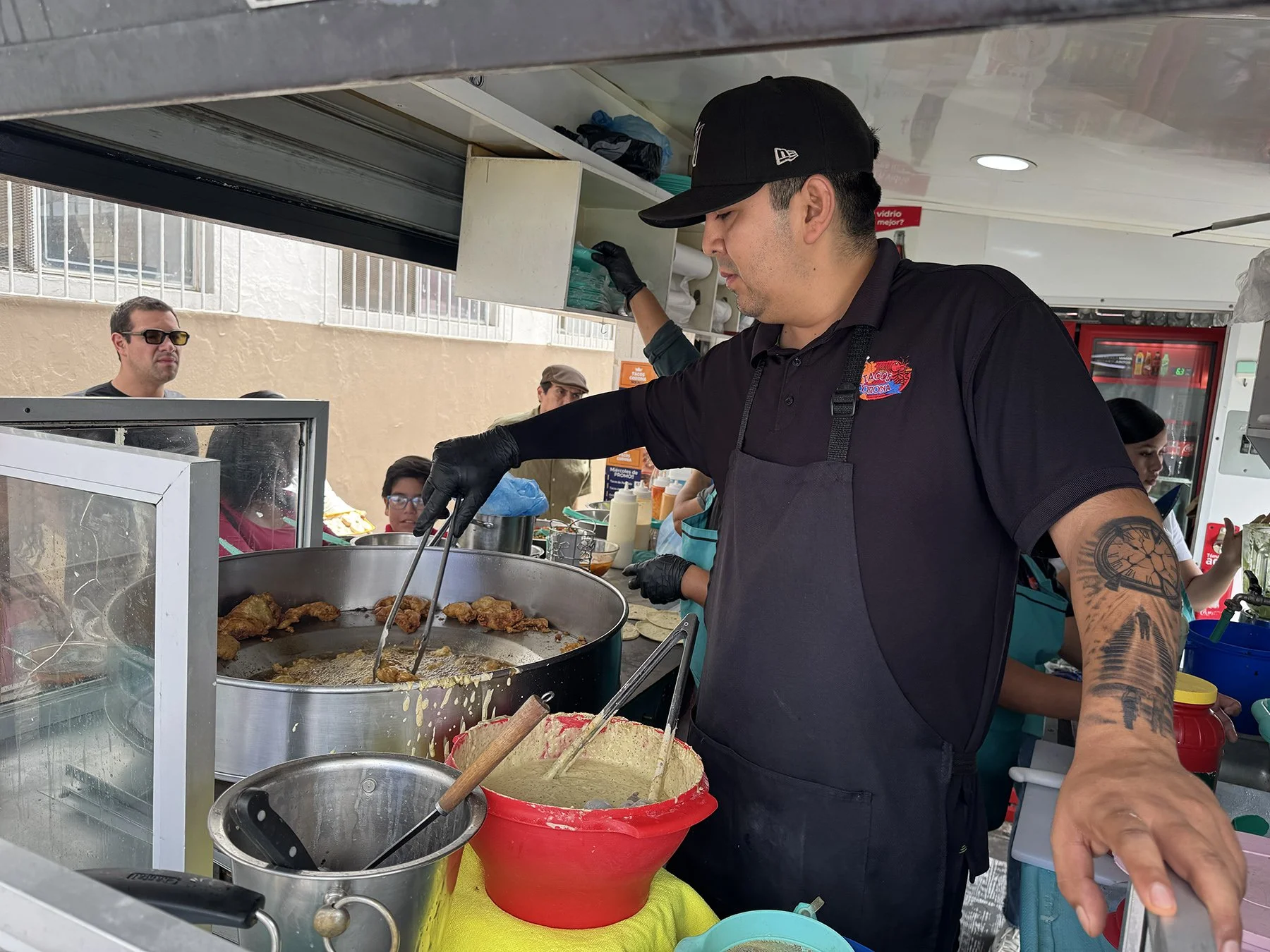
That tempura batter is the indicator. Like many farming communities in California, Baja California drew Japanese immigrants who reshaped how food here was grown and prepared. Follow the 32nd parallel west from Ensenada and you'll eventually near Kyushu - two regions that, it turns out, have long fed each other. (Some of the best ramen in the Americas is at Mexipon, a downtown Ensenada spot founded by a Japanese immigrant who later also opened a taquería back home.)
So are the famous fish tacos of Baja even truly Mexican? More of them may be devoured in the US and Canada anyway, what with the spread of Rubio's and Taco Fino. As Gustavo Arellano, author of Taco USA, reminds us: "Mexican food is as much of an ambassador for the United States as the hot dog, whether either country wants to admit it or not." Let's keep traveling…
Margarita
Few drinks, then, could be more Mexican than la margarita, right? Yet again, its origins stake a claim here in northern Baja - just don't bring this up in Ciudad Juárez. Still, more margaritas are downed up north than in Mexico on any given weekend, and many trace the drink's inspiration to the thirst of otherwise dry tourists during the Prohibition era.
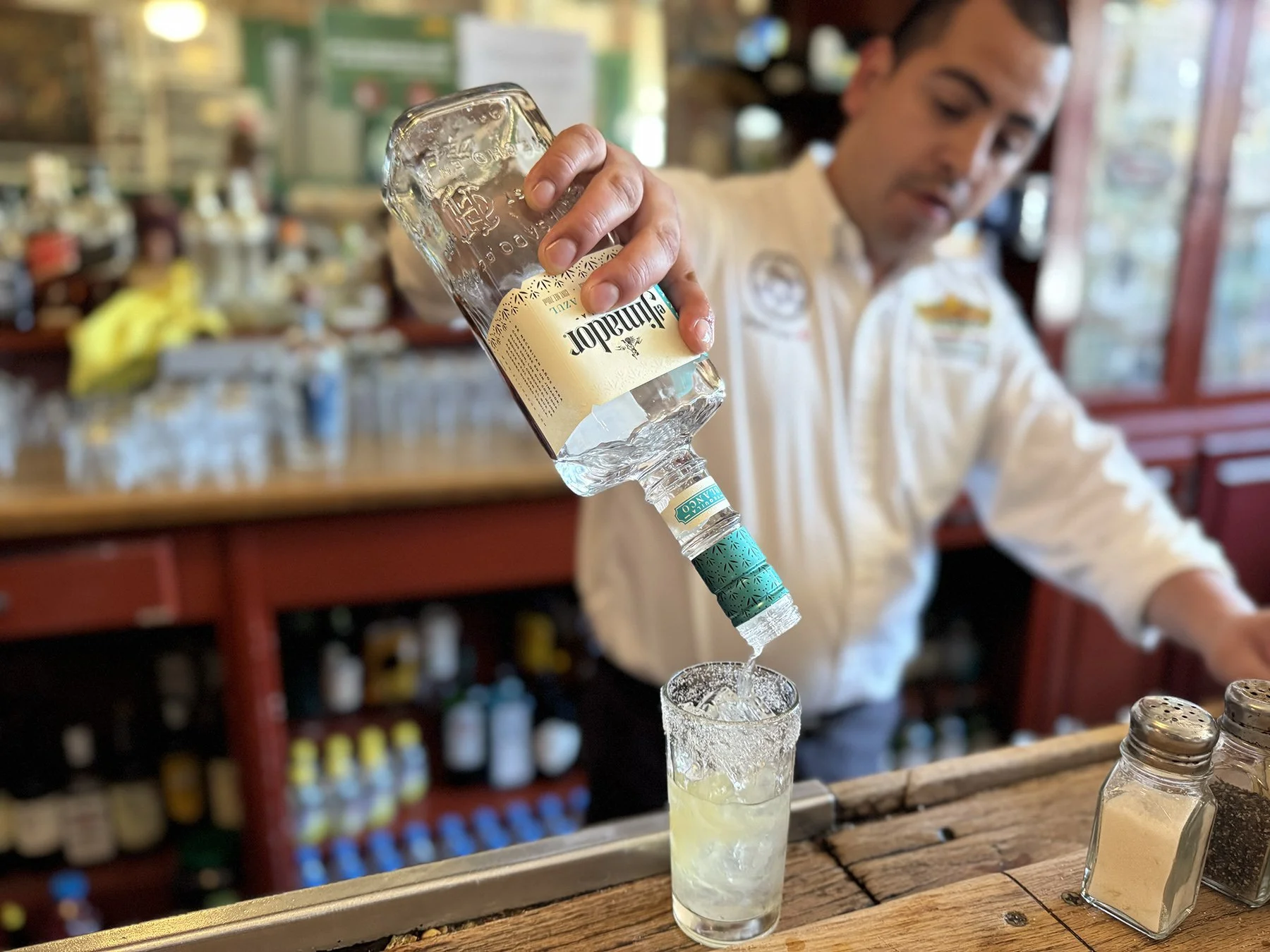
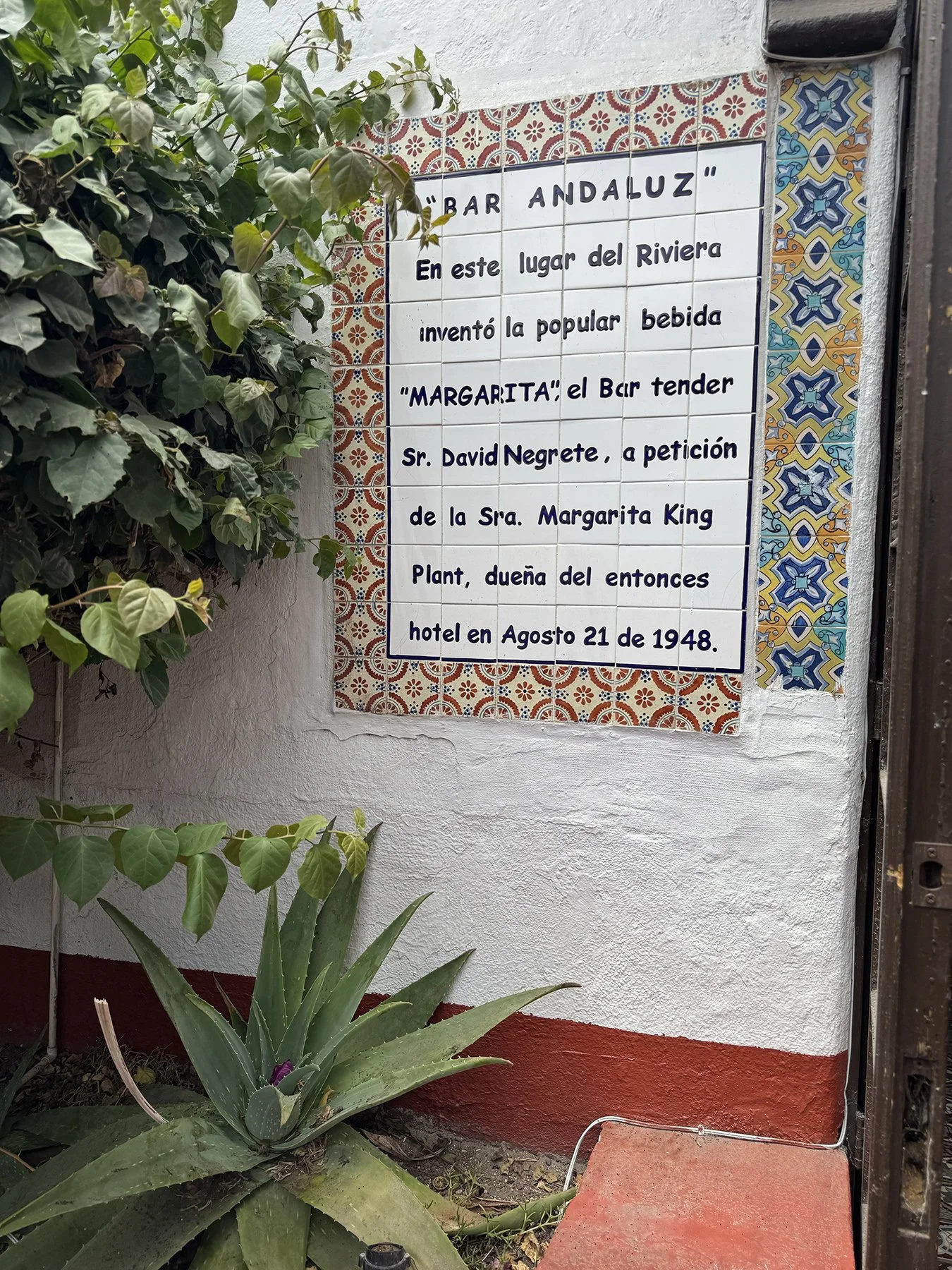
Distilling agave is, admittedly, a fine way to make the margarita's most indispensable ingredient portable and shelf-stable. But with tequila concentrated in Jalisco and citrus grown even further south, it seems unlikely the borderlands would have invented the cocktail at all. And yet here they were, almost 100 years ago - bartenders working an ample supply (and demand) of tequila, lime juice and, eventually, a splash of Cointreau.
Rancho La Gloria, Bar Andaluz at Riviera Cultural, Hussong's. Locals do not agree on a single bar, nor on who lent the drink its name (an American actress named Margaret? the daughter of a German diplomat?). We'll side with Hussong's, if only to salute one of the oldest operating cantinas in all of Mexico. To this day it's an obligatory pitstop for that I'm-finally-in-Mexico feeling, and often the only place visitors remember once they're back home. At least the part before the margaritas started flowing.
Caesar Salad
Growing up, pre-gaming an oversized plate of spaghetti and meatballs with a Caesar salad was the (thee?) highlight of eating Italian. Surely this mix of olive oil, parmesan, anchovies and garlic over a bed of lettuce - Romaine, no less - had to come from Turin or Trento. Not... Tijuana?
Caesar Cardini's family did have roots in Italy, but his namesake salad is another Prohibition-era case of invention born from scarcity. Tending to tourists at the restaurant still known today as, yep, Caesar's, he threw together whatever he had on hand and served his visitors an entrada both refreshing and rich. Like the fish taco and the margarita, more Caesar salads are surely tossed in the US - and probably assumed to be as Italian as fettuccine alfredo (wink).
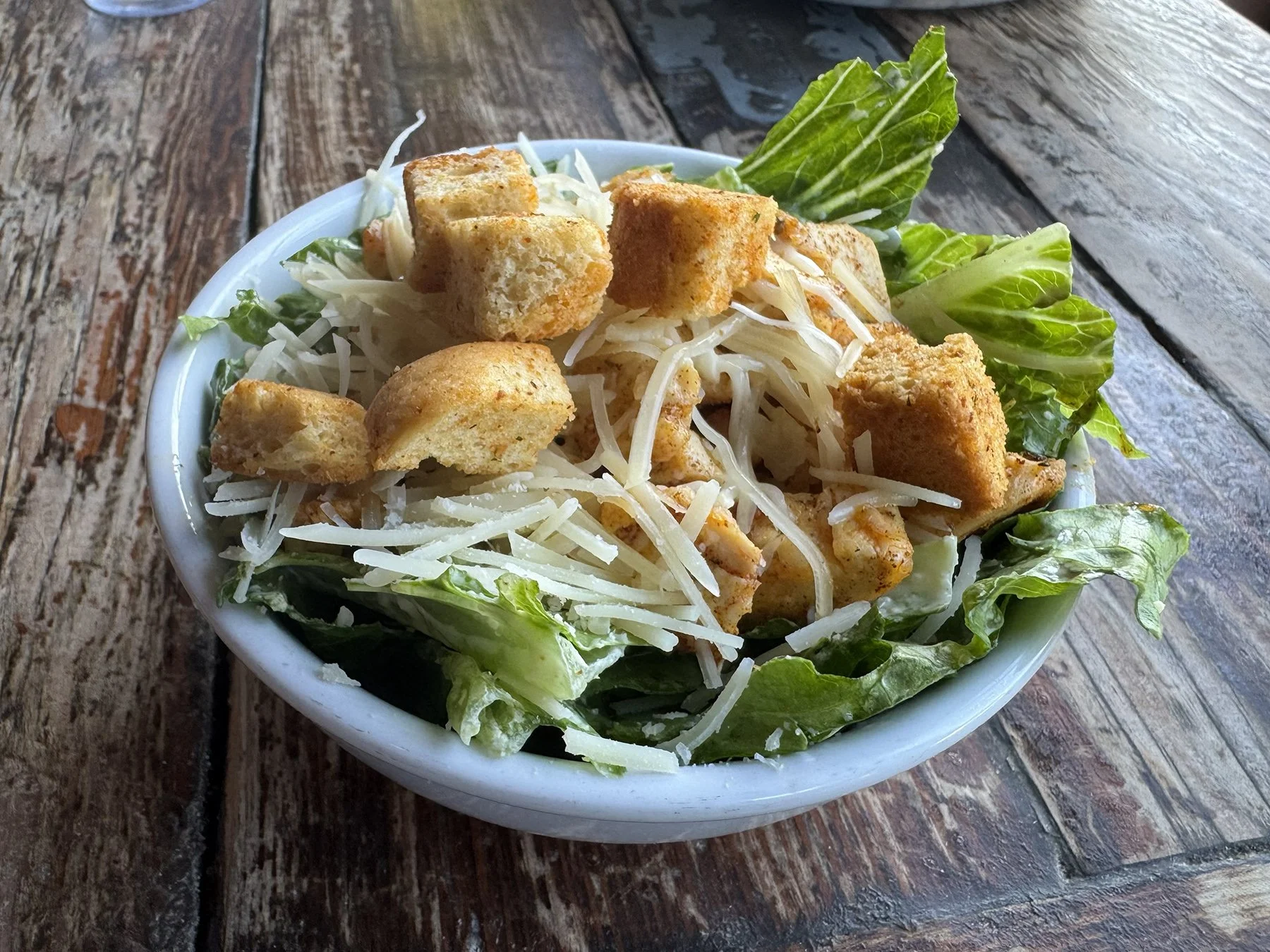
To this day, the drylands of the Southwest US and Northwest Mexico grow most of the leafy greens eaten across North America. Did the Caesar salad's rise help fuel that boom? Surely it played a part. Can we ever really untangle the origins of these "authentic" icons from the outside influences that shaped them? Sometimes it's best to just hush up and eat.
Iconic dishes didn't emerge from primordial soup. Neither will the grandkids' eventual favorites, sure to be riffs on some of these same classics. So yes - hunt down the "authentic" spots when you travel, if only for a baseline to measure the rest of the journey against. But don't commit to purity. As Borderlandia shows us, culture - like tacos árabes, de pescado, de pastor - can have both roots and wings at the same time. ¿Cuál será el próximo taco por inventarse?
Evan Storey grew up in the Sonoran Desert of Arizona. After earning degrees in the humanities and international relations at Arizona State University, he has spent most of his career in farming and advocacy work across Latin America. He is co-founder of Playa Papaya, a weekly newsletter focused on Spanish-language practice through food & culture, and now lives in Ensenada, Baja California, Mexico.