The Border Is Not the End of the Road
Hi friends,
There is a temptation, when we talk about the borderlands, to begin with the border.
We draw a line on a map and talk about ports of entry, walls, crossings, immigration, and politics. But spend some time here, and that line begins to look different.
The borderlands are not defined only by what separates us. They are defined by what connects us.
Consider Nogales. A taco tour through the city can become a lesson in geography, migration, history, and culture. Food becomes a map, connecting the desert, the mountains, ranching traditions, and generations of people who have moved across this landscape.

The same is true farther south and east. In eastern Sonora, bacanora tells a story of agave, landscape, and local tradition. At Paquimé in Chihuahua, the ruins remind us that people were building communities and trading across this region centuries before today's international boundary existed.
The border is a chapter. It is not the whole book.
That perspective changes the meaning of travel. Rather than simply checking destinations off a list, we can ask better questions: Who built this place? Who lived here before us? Why does this food taste the way it does? What histories have been remembered—and which have been overlooked?
Those questions matter because the borderlands are often reduced to headlines and political arguments. Yet the reality is far more complicated and far more human.
Nogales is a city with two names and a shared history. Sonora is desert, mountain, ranch country, and a culinary crossroads. Chihuahua is home to ancient cities that challenge our assumptions about the past. Southern Arizona carries Indigenous, Spanish, Mexican, and American histories that cannot be neatly divided.
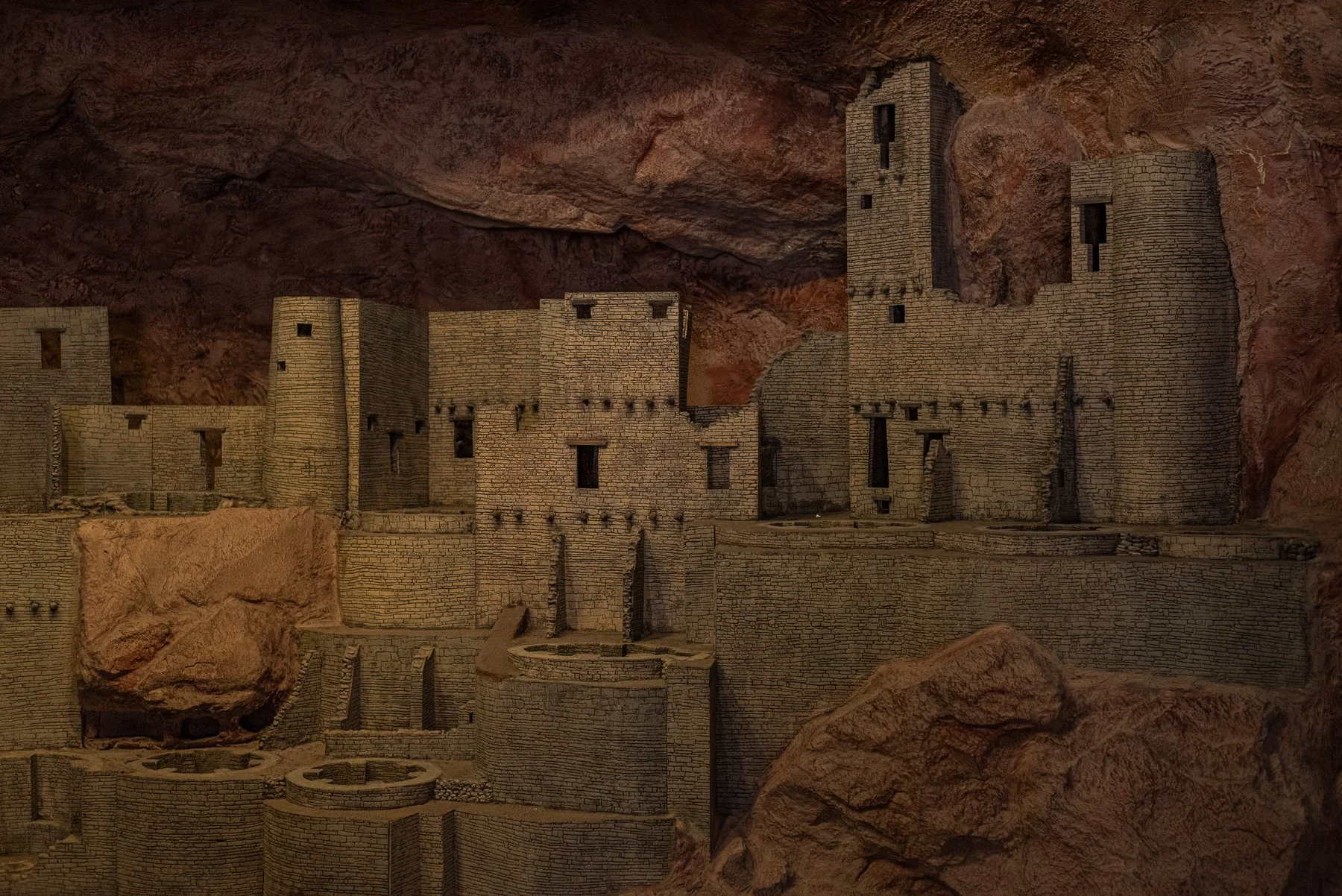
To understand the borderlands, we have to leave the map behind.
We have to walk.
We have to eat.
We have to listen.
And sometimes, we have to cross.
Perhaps that is the real work of Borderlandia—not simply taking people across a border, but helping them see that the borderlands have always been bigger than the border.
A place is more than its politics.
A landscape is more than its coordinates.
A meal is more than what's on the plate.
And history is more than the version that fits neatly on one side of a line.
The invitation is simple:
Cross with curiosity.
The border is not the end of the road.
It is where the story gets interesting.
Alex