

Pathway to Paquimé
Where Ancient Civilizations and Artistic Traditions Converge in Northern Chihuahua, Mexico
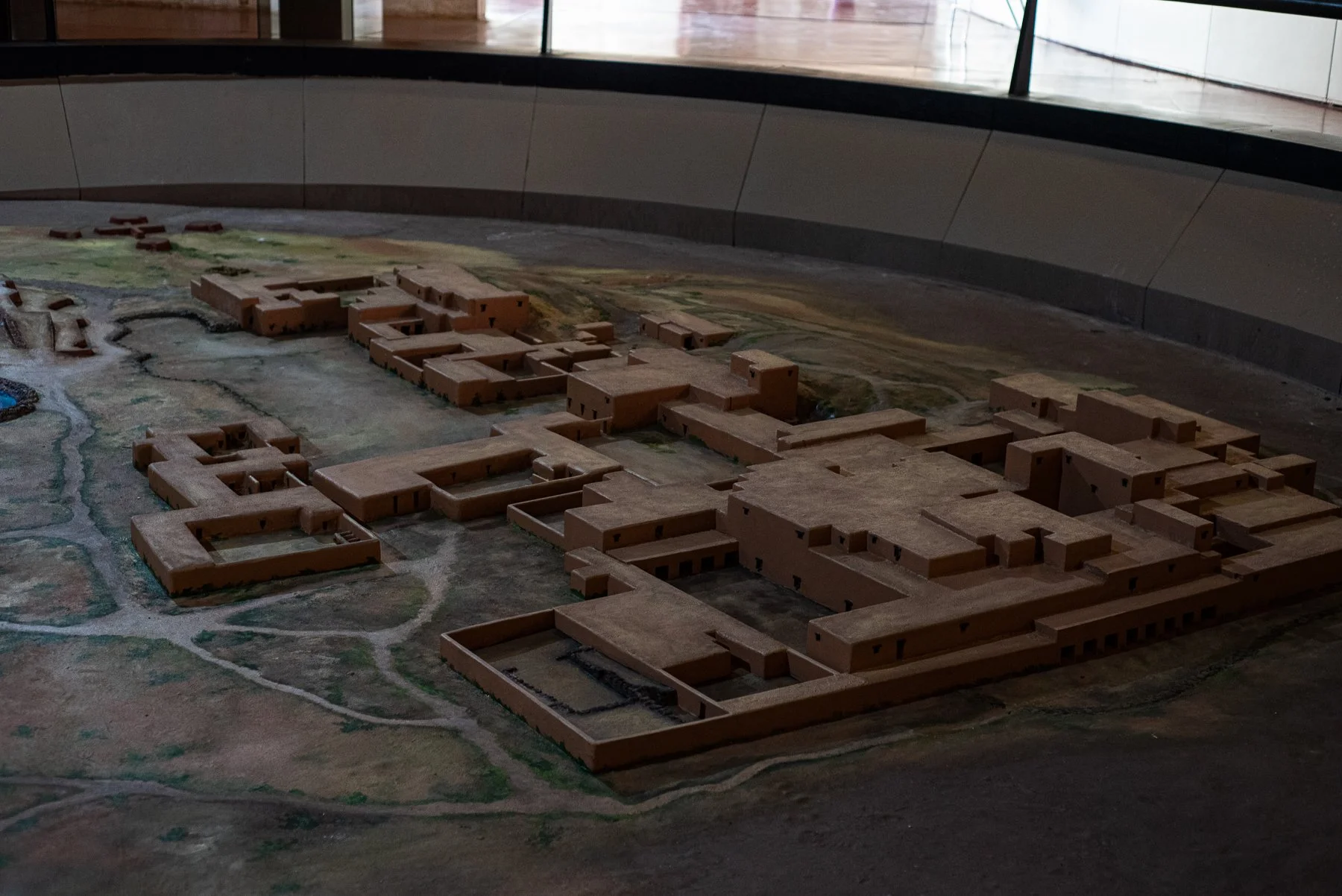
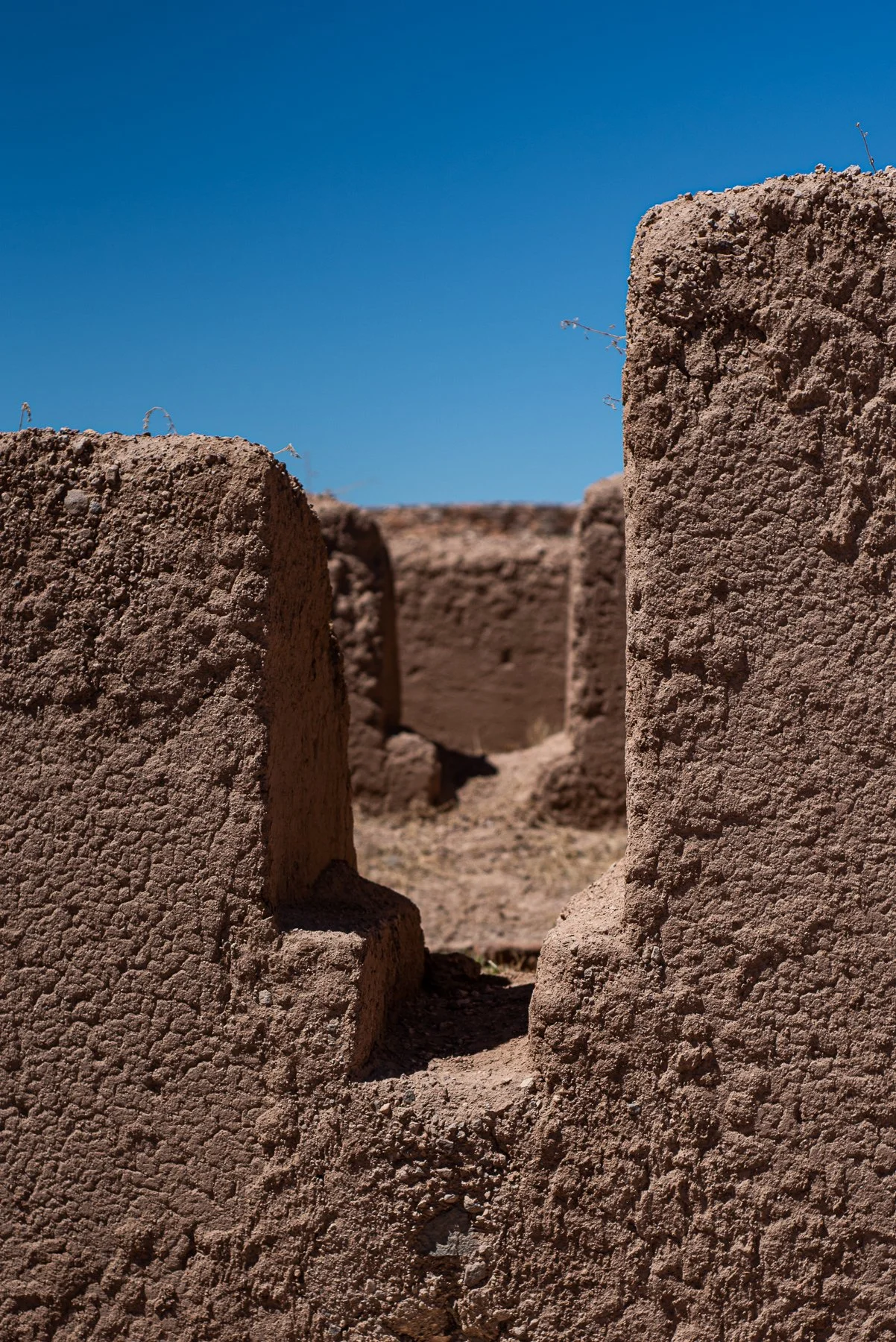
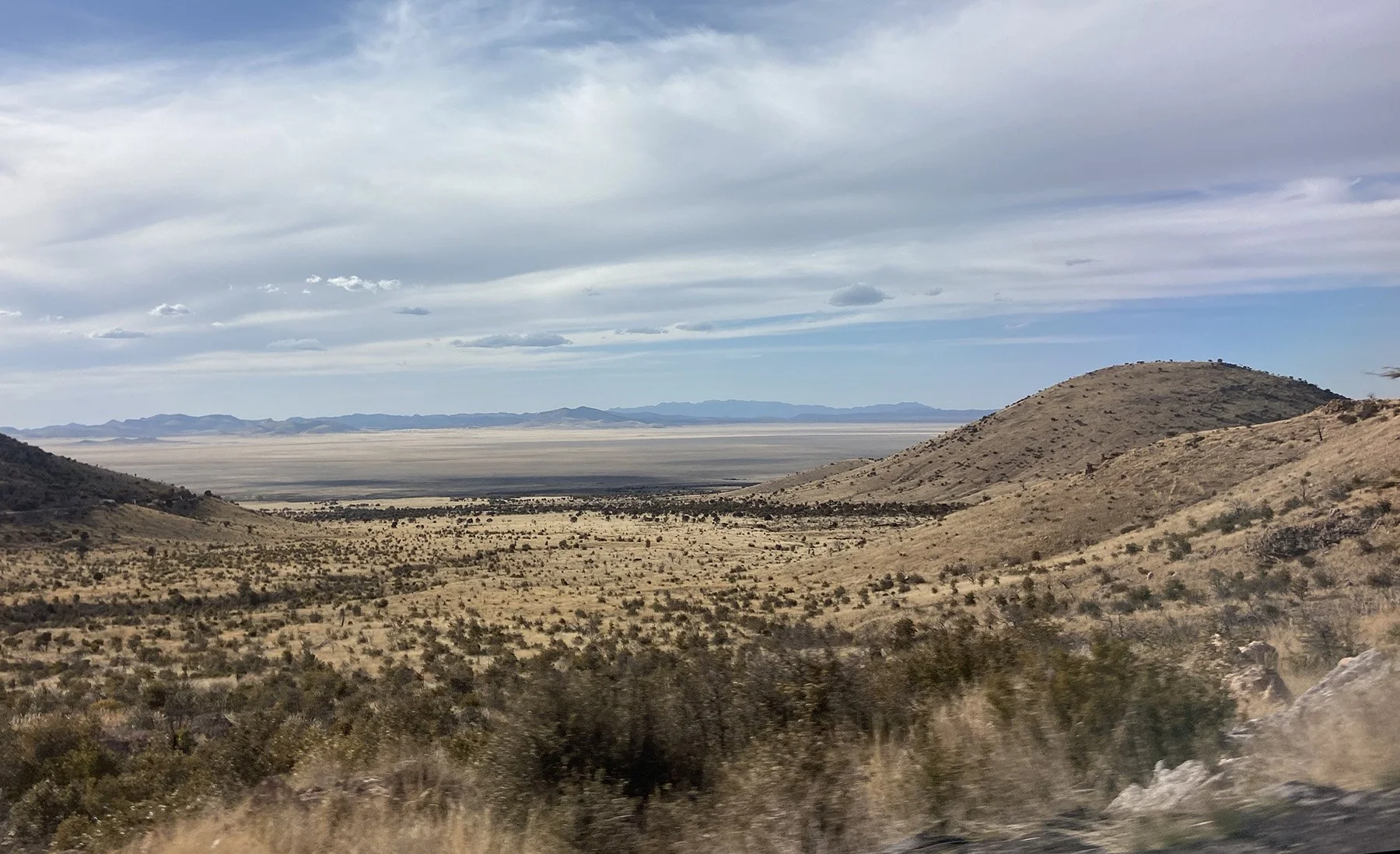
Beneath the ocher mountains and open skies of northern Chihuahua lies Casas Grandes, a town shaped by centuries of movement, memory, and meeting points. Just beyond its quiet streets rise the remains of Paquimé, an ancient city of multi-story adobe homes, ceremonial mounds, and ingenious water systems. This pre-Hispanic hub once connected the Puebloan world to Mesoamerica. However, Casas Grandes is more than an archaeological site. It’s a living crossroads of cultures, where Indigenous (Rarámuri and Apache), Mexican mestizo, and Mormon farming communities have all left their mark.
By: Alex La Pierre / August 6, 2025
The Heart of the Northern Frontier
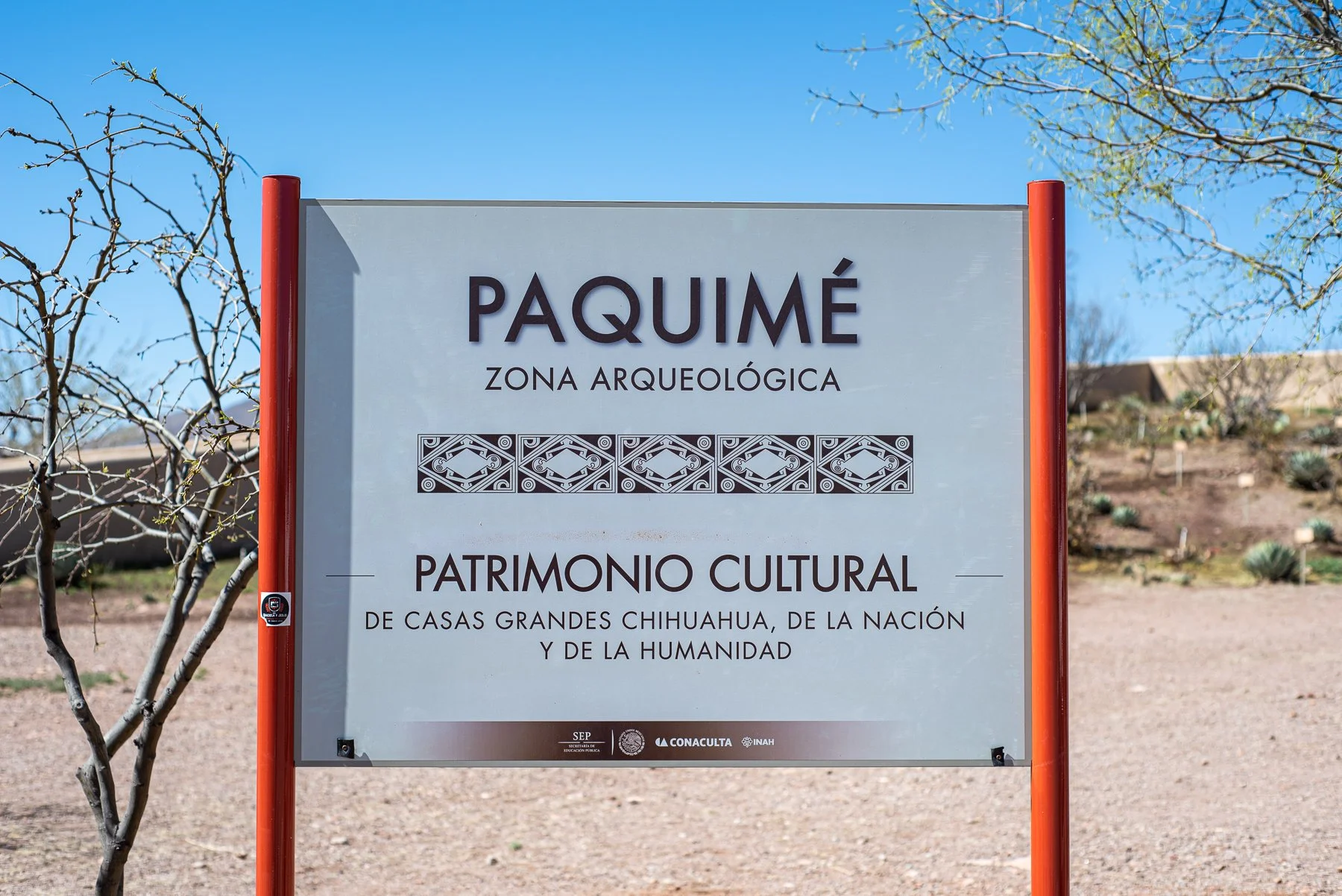
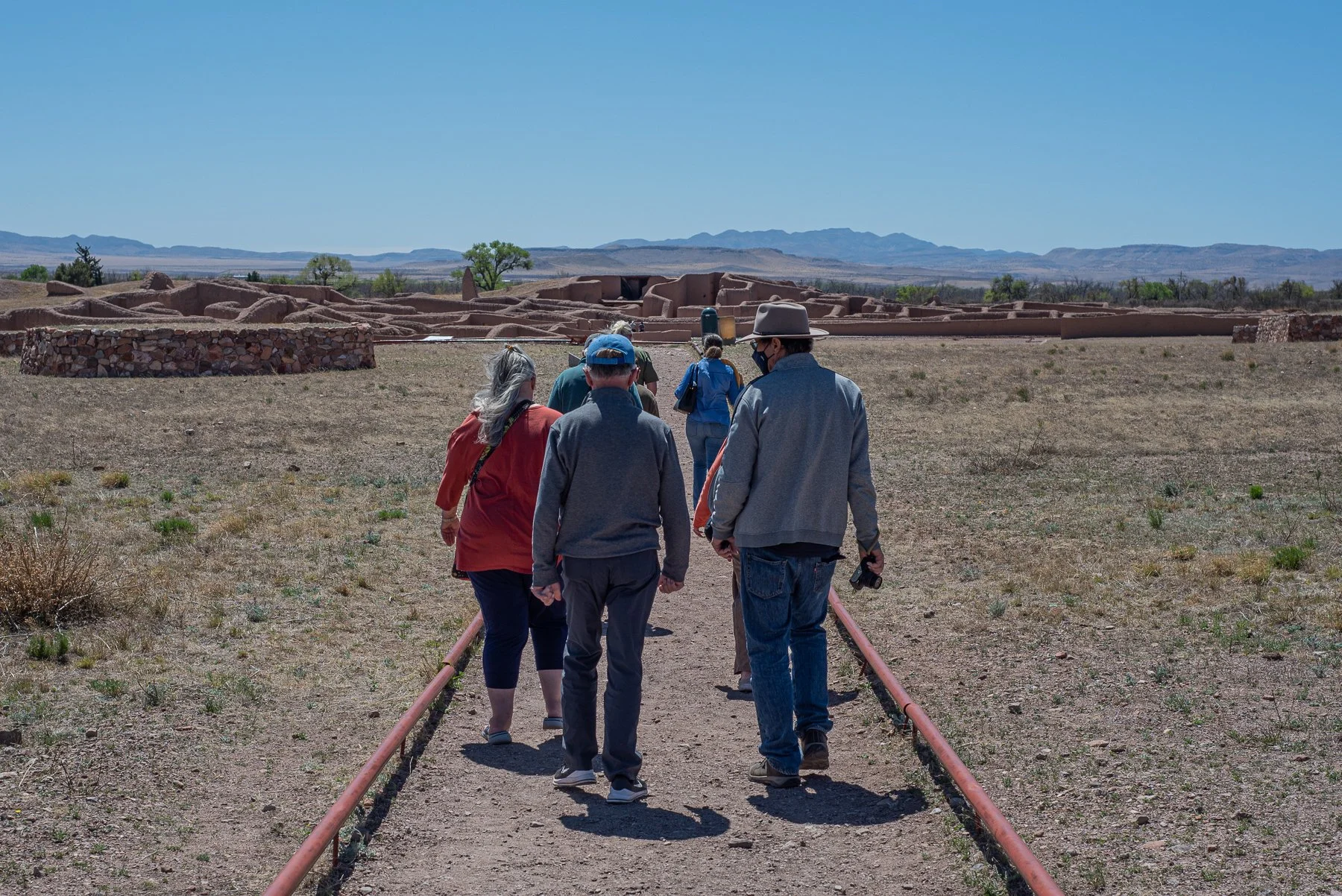
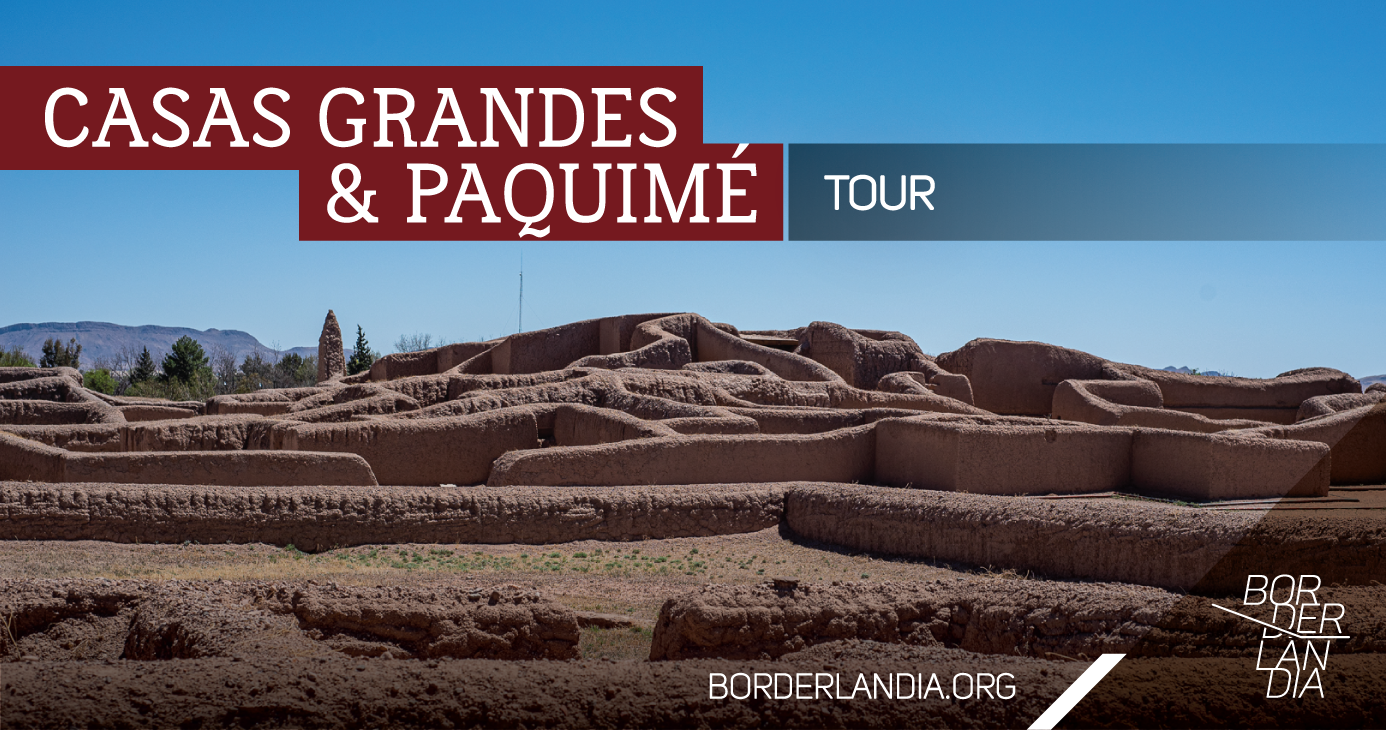
Tucked away in the high desert plateaus of Chihuahua, Casas Grandes is one of the most culturally rich yet under-visited regions of northern Mexico. At the center is Paquimé, a UNESCO World Heritage Site that once flourished as a cosmopolitan trading hub during the 13th and 14th centuries. Its multi-storied adobe complexes, ceremonial ball courts, intricate water systems, and parrots brought from Mesoamerica are evidence of deep connections that once bound the desert north to the tropical south.
While Paquimé fell into ruins over 600 years ago, its cultural legacy lives on—carried forward by the people of Mata Ortiz, a small neighboring village that has become one of the world’s most respected centers of ceramic art.


Mata Ortiz: Art as Ancestry

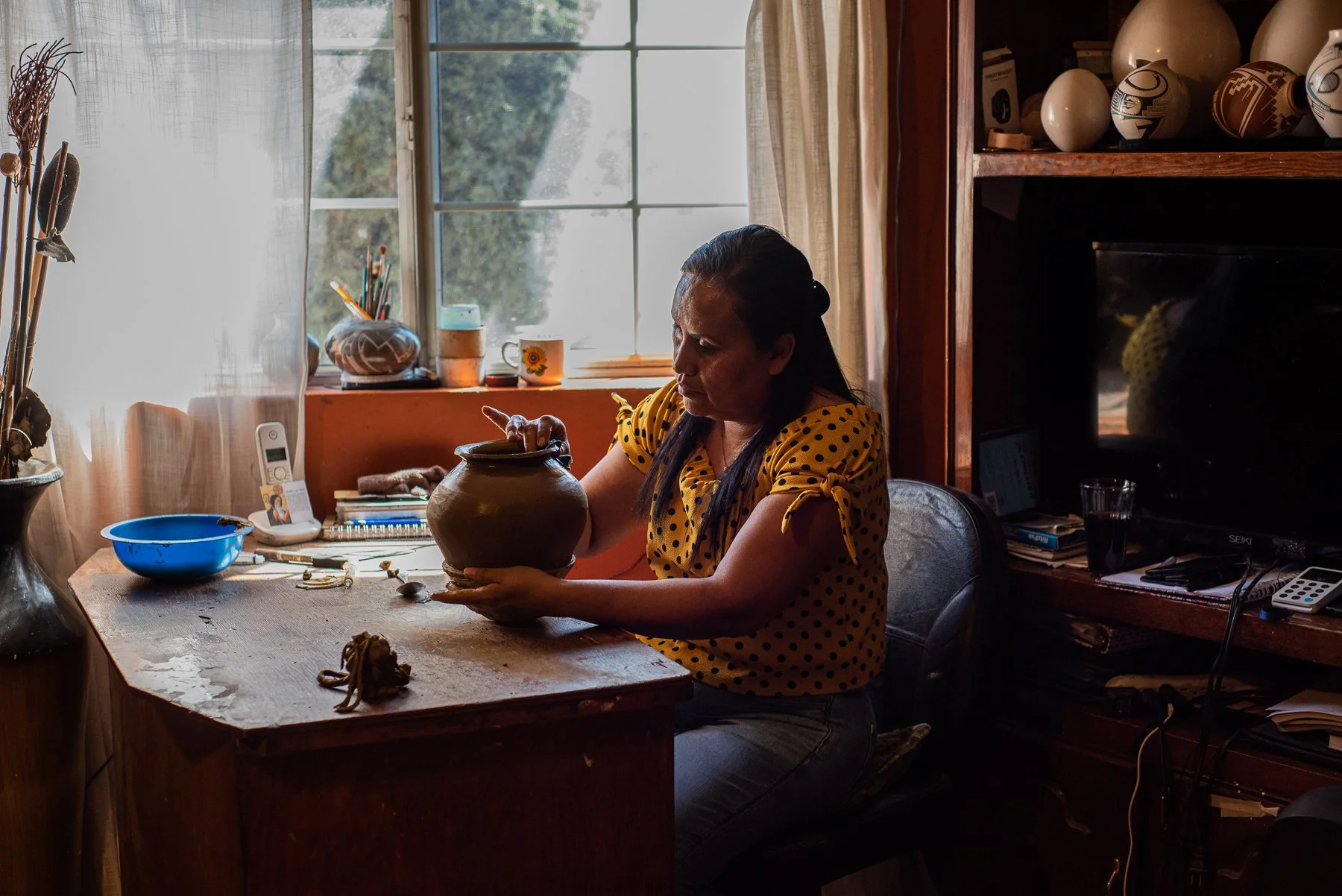
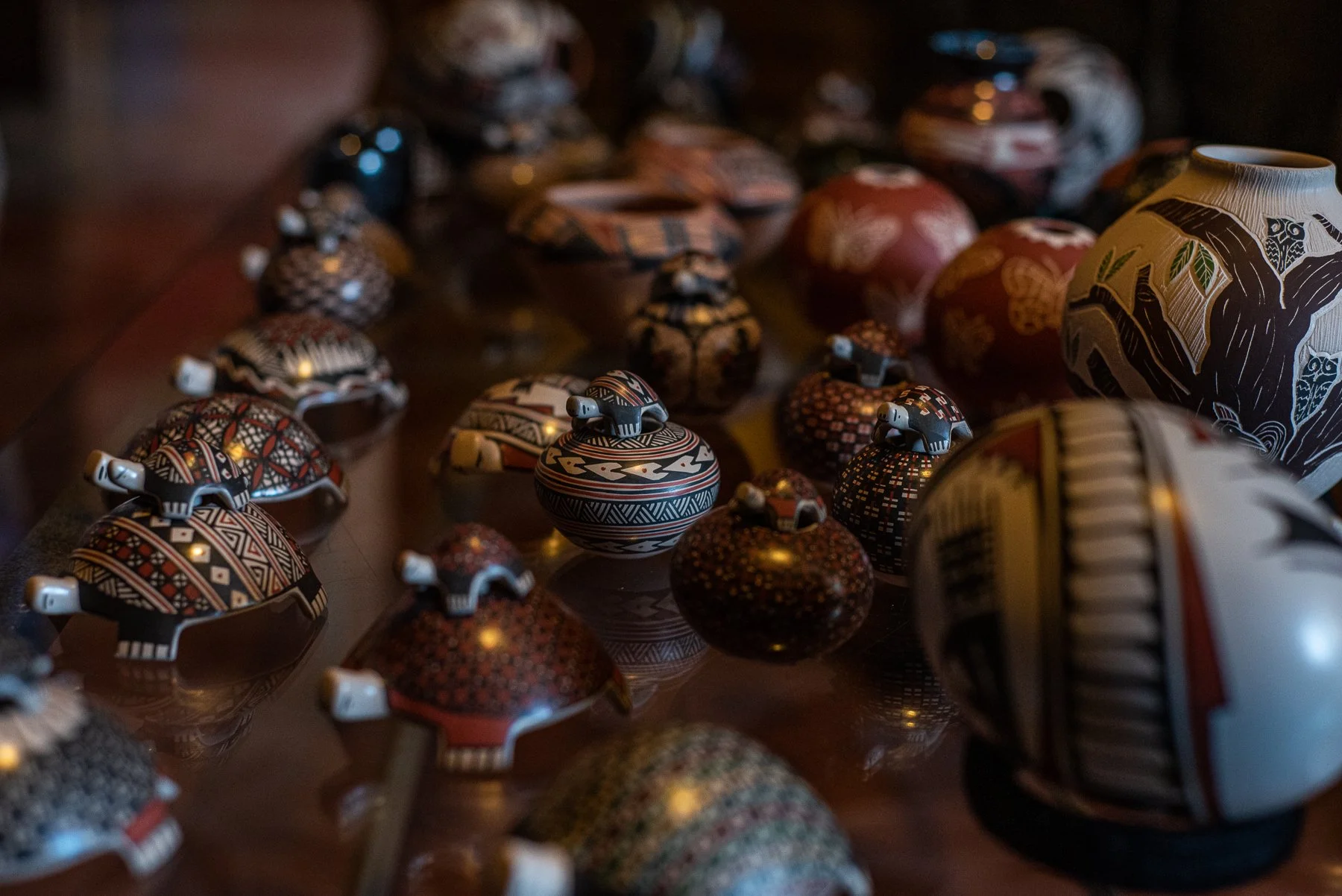
In the 1970s, local artist Juan Quezada sparked a global renaissance by studying the ancient pottery fragments scattered around Paquimé and reviving their form. Today, Mata Ortiz is a thriving artist community where more than 400 potters craft museum-worthy pieces inspired by their ancestors. With no two pieces alike, each pot reflects both a return to indigenous design and a leap into modern expression.
Visitors who walk through Mata Ortiz’s quiet streets may be invited into family workshops—unassuming homes where generations work together using traditional hand-coiling, mineral paints, and open-fire kilns. It is here that art and identity are fused in every curve and brushstroke.

A Region of Many Layers
Surrounding the archaeological site and the artisan village are the Mormon colonies of Colonia Juárez and Dublán, founded in the late 1800s by settlers fleeing persecution in the U.S. These towns are serene enclaves with red-brick homes, fruit orchards, and deep-rooted cross-border ties that still shape northern Chihuahua today.
The landscape itself tells a story—of ancient trade, spiritual cosmologies, revolution, and migration. Whether gazing at distant mountain ranges, visiting small museums, or walking the plazas, one feels a sense of layered time stretching back hundreds, even thousands, of years.

Why Casas Grandes Matters
World Heritage Significance
Paquimé offers one of the clearest archaeological links between the American Southwest and Mesoamerican civilizations.
Cultural Continuity Through Art
Mata Ortiz pottery is not a revival—it’s a living cultural expression that speaks across centuries.
Borderland Narratives
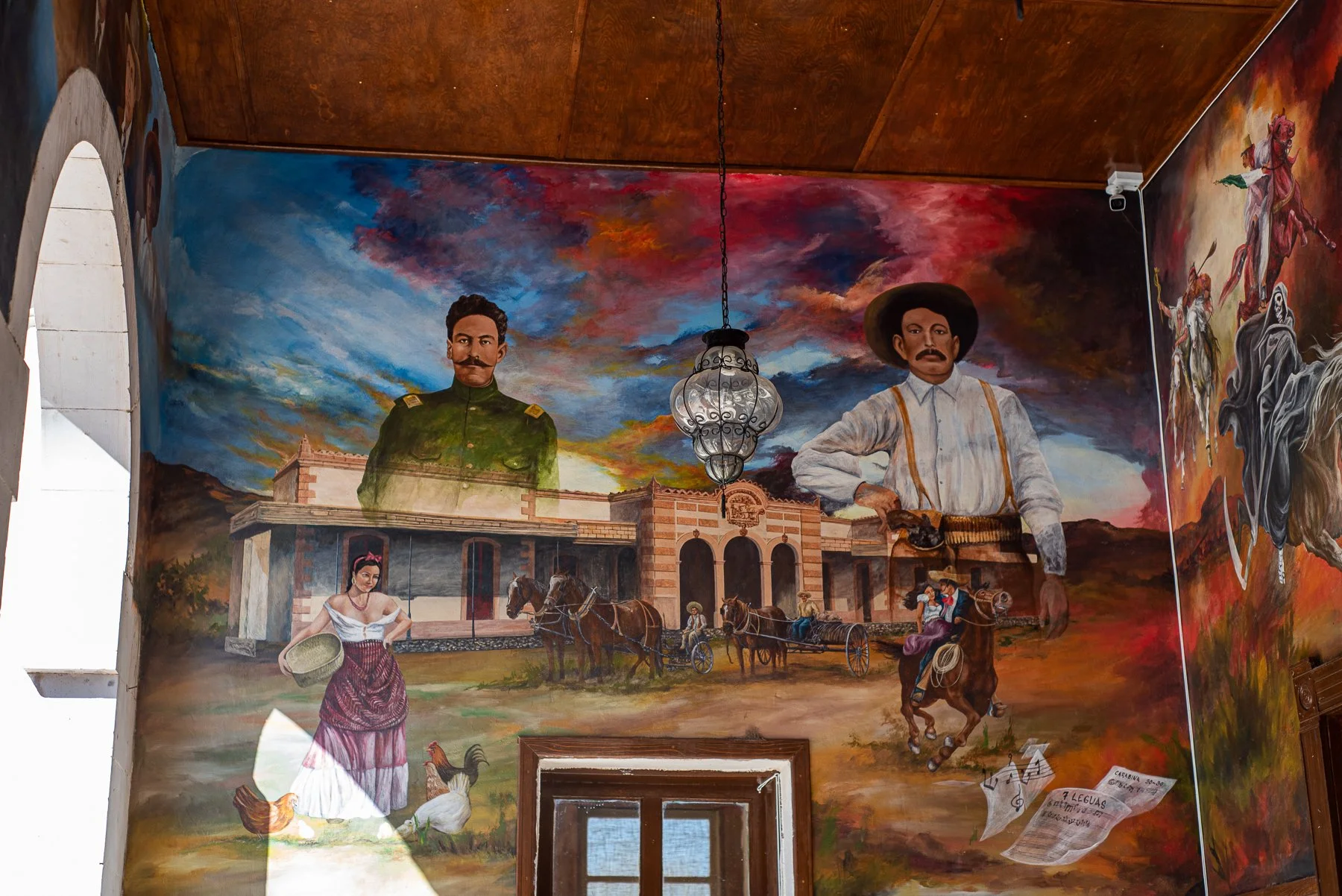
This is a place where Mormon migration, Apache resistance, Mexican nationalism, and ancient indigenous presence meet.
Off-the-Beaten-Path Wonder
Unlike more trafficked destinations, Casas Grandes remains unspoiled, welcoming, and rich with genuine human connection.
How to Experience It
For those eager to explore these interwoven histories firsthand, Borderlandia hosts small-group, bilingual journeys to this region. These experiences blend archaeology, living culture, local cuisine, and direct encounters with locals—all while traveling in comfort and safety.
Join us in this next opportunity: October 6–9, 2025.
Details & Registration: Casas Grandes & Paquimé Tour Info
Final Thought
If you’ve been curious about Mexico’s lesser-known wonders—or if you’re drawn to the connections between ancient civilizations and modern identity—then Casas Grandes is calling. This destination offers far more than sights; it offers context, story, and shared humanity across borders and time.
Explore more and consider making this powerful place part of your journey!
P. S. Check out our other Borderlandia tours into Mexico and Arizona here.
Learn more:
-

The Casas Grandes Meteorite
-

South Africa In Mexico
-
5 Reasons to Visit Casas Grandes, Chihuahua

Alex La Pierre is Borderlandia’s cofounder. His professional background includes the nonprofit sector and government, working for the National Park Service in New Mexico and Arizona in the fields of historic preservation and interpretation. A graduate of the University of Arizona, Alex's study and research centers on the Hispanic cultural heritage of the American Southwest and Mexico.